That’s the thread former vice-president for sport Robert Reid pulled at this week. Reid, who resigned last year citing a “standards breakdown,” warned that term limits aren’t a magic fix but they do force renewal — a built-in reminder that “office is temporary.” On the eligibility tweaks, his point was sharper still: when the bar for what counts as “sufficient” experience lives inside the FIA’s own structures, a safeguard against unserious candidates can quietly become a barrier against inconvenient ones.
None of this is happening in a vacuum. Last year’s presidential election saw three rivals effectively locked out by the requirement to name a vice-president for sport from each of the FIA’s six global regions — with the only South American option on the published list being Fabiana Ecclestone, already part of Ben Sulayem’s own camp. One would-be candidate, Laura Villars, is now suing the FIA in the French courts over the election process. Against that backdrop, doubling the lead time and adding a vague experience test reads less like housekeeping and more like reinforcing the moat.
For the record, the FIA also posted a 2025 operating profit of 6.7m euros, up 43 percent year-on-year — a number it’s clearly keen for everyone to focus on instead. The current three-term limit, now consigned to history, was Jean Todt’s handiwork. His predecessor Max Mosley ran the place from 1993 to 2009. The era of the gentle handover, it seems, is over. Lights out and away we go — indefinitely.
Here’s the bit that should interest anyone who follows FIA politics as closely as they follow qualifying: term limits weren’t the only thing on the ballot. The rules for challenging the president got tighter on the same day. Candidates must now “demonstrate sufficient experience” within an FIA member or body — a deliberately fuzzy standard — and the deadline for submitting a full slate of vice-presidents has ballooned from 49 days to 100 days before an election. Both changes make mounting a serious challenge considerably harder.
That’s the thread former vice-president for sport Robert Reid pulled at this week. Reid, who resigned last year citing a “standards breakdown,” warned that term limits aren’t a magic fix but they do force renewal — a built-in reminder that “office is temporary.” On the eligibility tweaks, his point was sharper still: when the bar for what counts as “sufficient” experience lives inside the FIA’s own structures, a safeguard against unserious candidates can quietly become a barrier against inconvenient ones.
None of this is happening in a vacuum. Last year’s presidential election saw three rivals effectively locked out by the requirement to name a vice-president for sport from each of the FIA’s six global regions — with the only South American option on the published list being Fabiana Ecclestone, already part of Ben Sulayem’s own camp. One would-be candidate, Laura Villars, is now suing the FIA in the French courts over the election process. Against that backdrop, doubling the lead time and adding a vague experience test reads less like housekeeping and more like reinforcing the moat.
For the record, the FIA also posted a 2025 operating profit of 6.7m euros, up 43 percent year-on-year — a number it’s clearly keen for everyone to focus on instead. The current three-term limit, now consigned to history, was Jean Todt’s handiwork. His predecessor Max Mosley ran the place from 1993 to 2009. The era of the gentle handover, it seems, is over. Lights out and away we go — indefinitely.
When pushed, a spokesperson reached for an unexpected comparison: the NFL, pointing out that Roger Goodell has run the shop since 2006 and built “an outstanding governance record.” Make of that what you will. It’s a striking contrast to the IOC, where Thomas Bach walked away in 2024 rather than rewrite the rulebook to extend his own stay, arguing new times call for new leaders.
Here’s the bit that should interest anyone who follows FIA politics as closely as they follow qualifying: term limits weren’t the only thing on the ballot. The rules for challenging the president got tighter on the same day. Candidates must now “demonstrate sufficient experience” within an FIA member or body — a deliberately fuzzy standard — and the deadline for submitting a full slate of vice-presidents has ballooned from 49 days to 100 days before an election. Both changes make mounting a serious challenge considerably harder.
That’s the thread former vice-president for sport Robert Reid pulled at this week. Reid, who resigned last year citing a “standards breakdown,” warned that term limits aren’t a magic fix but they do force renewal — a built-in reminder that “office is temporary.” On the eligibility tweaks, his point was sharper still: when the bar for what counts as “sufficient” experience lives inside the FIA’s own structures, a safeguard against unserious candidates can quietly become a barrier against inconvenient ones.
None of this is happening in a vacuum. Last year’s presidential election saw three rivals effectively locked out by the requirement to name a vice-president for sport from each of the FIA’s six global regions — with the only South American option on the published list being Fabiana Ecclestone, already part of Ben Sulayem’s own camp. One would-be candidate, Laura Villars, is now suing the FIA in the French courts over the election process. Against that backdrop, doubling the lead time and adding a vague experience test reads less like housekeeping and more like reinforcing the moat.
For the record, the FIA also posted a 2025 operating profit of 6.7m euros, up 43 percent year-on-year — a number it’s clearly keen for everyone to focus on instead. The current three-term limit, now consigned to history, was Jean Todt’s handiwork. His predecessor Max Mosley ran the place from 1993 to 2009. The era of the gentle handover, it seems, is over. Lights out and away we go — indefinitely.
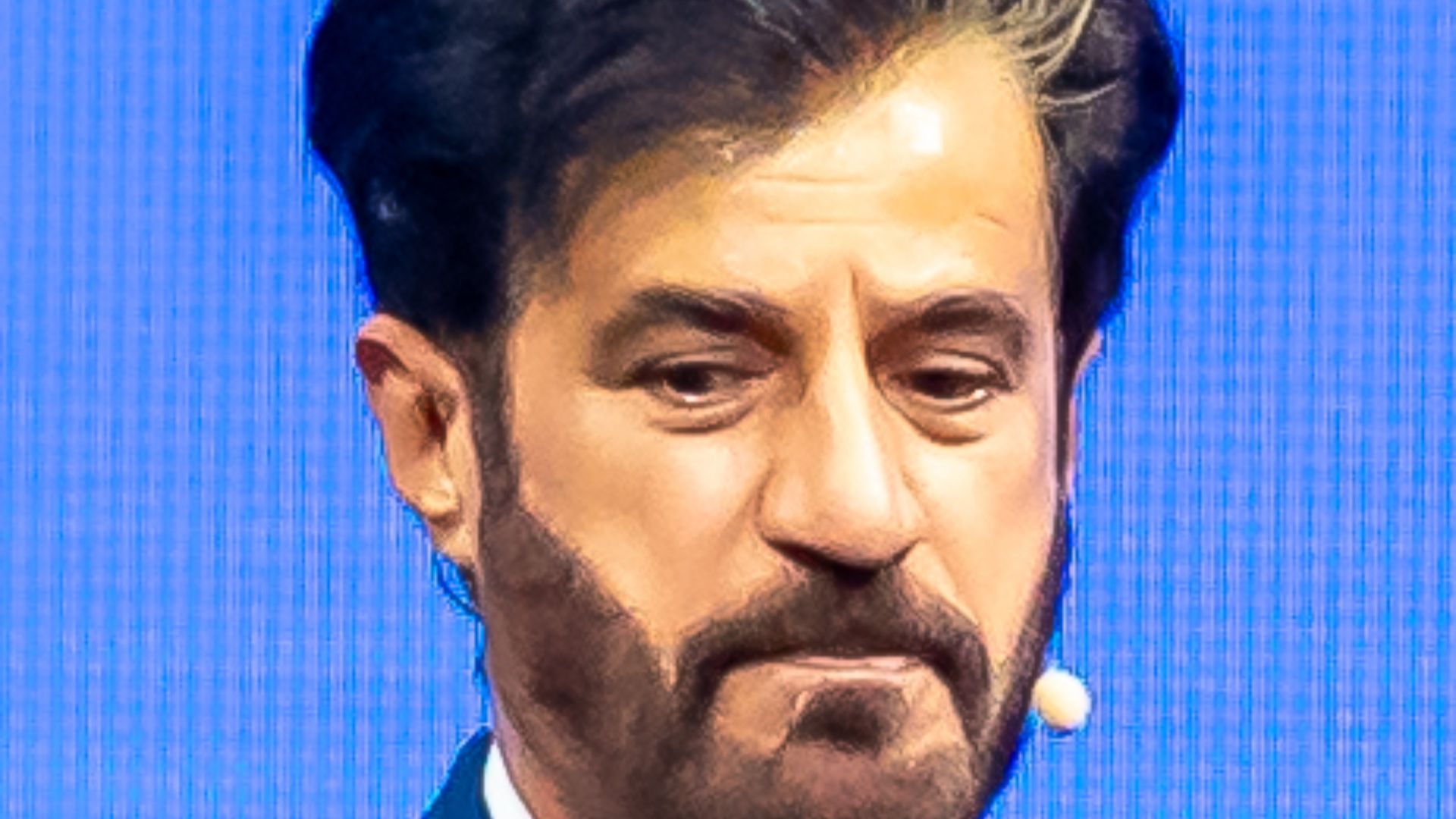
If you needed more proof that the FIA’s corridors of power run a very particular way these days, Macau delivered it on Thursday. The governing body’s member clubs voted to tear up presidential term limits altogether, handing Mohammed Ben Sulayem a green light to stay in the big chair well past the old ceiling of three four-year terms. The margin wasn’t close: sources put the supermajority north of 90 percent.
For the paddock crowd that’s been watching the Ben Sulayem era with one eyebrow permanently raised, this is the headline that confirms the direction of travel. The 12-year cap that would have shown him the door is gone. And according to people who claim to know his thinking, the 64-year-old’s ambitions don’t stop there — there’s a standing age limit of 70 for candidates that he reportedly wants gone too. The quiet part being said out loud: the goal is president for life.
The FIA’s official framing is, predictably, drier. The statutes have simply been “updated to establish a consistent approach to term limits across all FIA bodies,” with the federation insisting its bodies still retain full authority to elect whoever they see fit. Term limits also vanished from other posts along the way, including the anti-doping committee chair and — ears up, cost-cap watchers — the head of the F1 cost-cap committee. Notably, the FIA hasn’t explained why it chose to abolish limits everywhere rather than introduce them where they were missing.
When pushed, a spokesperson reached for an unexpected comparison: the NFL, pointing out that Roger Goodell has run the shop since 2006 and built “an outstanding governance record.” Make of that what you will. It’s a striking contrast to the IOC, where Thomas Bach walked away in 2024 rather than rewrite the rulebook to extend his own stay, arguing new times call for new leaders.
Here’s the bit that should interest anyone who follows FIA politics as closely as they follow qualifying: term limits weren’t the only thing on the ballot. The rules for challenging the president got tighter on the same day. Candidates must now “demonstrate sufficient experience” within an FIA member or body — a deliberately fuzzy standard — and the deadline for submitting a full slate of vice-presidents has ballooned from 49 days to 100 days before an election. Both changes make mounting a serious challenge considerably harder.
That’s the thread former vice-president for sport Robert Reid pulled at this week. Reid, who resigned last year citing a “standards breakdown,” warned that term limits aren’t a magic fix but they do force renewal — a built-in reminder that “office is temporary.” On the eligibility tweaks, his point was sharper still: when the bar for what counts as “sufficient” experience lives inside the FIA’s own structures, a safeguard against unserious candidates can quietly become a barrier against inconvenient ones.
None of this is happening in a vacuum. Last year’s presidential election saw three rivals effectively locked out by the requirement to name a vice-president for sport from each of the FIA’s six global regions — with the only South American option on the published list being Fabiana Ecclestone, already part of Ben Sulayem’s own camp. One would-be candidate, Laura Villars, is now suing the FIA in the French courts over the election process. Against that backdrop, doubling the lead time and adding a vague experience test reads less like housekeeping and more like reinforcing the moat.
For the record, the FIA also posted a 2025 operating profit of 6.7m euros, up 43 percent year-on-year — a number it’s clearly keen for everyone to focus on instead. The current three-term limit, now consigned to history, was Jean Todt’s handiwork. His predecessor Max Mosley ran the place from 1993 to 2009. The era of the gentle handover, it seems, is over. Lights out and away we go — indefinitely.
Here’s the bit that should interest anyone who follows FIA politics as closely as they follow qualifying: term limits weren’t the only thing on the ballot. The rules for challenging the president got tighter on the same day. Candidates must now “demonstrate sufficient experience” within an FIA member or body — a deliberately fuzzy standard — and the deadline for submitting a full slate of vice-presidents has ballooned from 49 days to 100 days before an election. Both changes make mounting a serious challenge considerably harder.
That’s the thread former vice-president for sport Robert Reid pulled at this week. Reid, who resigned last year citing a “standards breakdown,” warned that term limits aren’t a magic fix but they do force renewal — a built-in reminder that “office is temporary.” On the eligibility tweaks, his point was sharper still: when the bar for what counts as “sufficient” experience lives inside the FIA’s own structures, a safeguard against unserious candidates can quietly become a barrier against inconvenient ones.
None of this is happening in a vacuum. Last year’s presidential election saw three rivals effectively locked out by the requirement to name a vice-president for sport from each of the FIA’s six global regions — with the only South American option on the published list being Fabiana Ecclestone, already part of Ben Sulayem’s own camp. One would-be candidate, Laura Villars, is now suing the FIA in the French courts over the election process. Against that backdrop, doubling the lead time and adding a vague experience test reads less like housekeeping and more like reinforcing the moat.
For the record, the FIA also posted a 2025 operating profit of 6.7m euros, up 43 percent year-on-year — a number it’s clearly keen for everyone to focus on instead. The current three-term limit, now consigned to history, was Jean Todt’s handiwork. His predecessor Max Mosley ran the place from 1993 to 2009. The era of the gentle handover, it seems, is over. Lights out and away we go — indefinitely.
If you needed more proof that the FIA’s corridors of power run a very particular way these days, Macau delivered it on Thursday. The governing body’s member clubs voted to tear up presidential term limits altogether, handing Mohammed Ben Sulayem a green light to stay in the big chair well past the old ceiling of three four-year terms. The margin wasn’t close: sources put the supermajority north of 90 percent.
For the paddock crowd that’s been watching the Ben Sulayem era with one eyebrow permanently raised, this is the headline that confirms the direction of travel. The 12-year cap that would have shown him the door is gone. And according to people who claim to know his thinking, the 64-year-old’s ambitions don’t stop there — there’s a standing age limit of 70 for candidates that he reportedly wants gone too. The quiet part being said out loud: the goal is president for life.
The FIA’s official framing is, predictably, drier. The statutes have simply been “updated to establish a consistent approach to term limits across all FIA bodies,” with the federation insisting its bodies still retain full authority to elect whoever they see fit. Term limits also vanished from other posts along the way, including the anti-doping committee chair and — ears up, cost-cap watchers — the head of the F1 cost-cap committee. Notably, the FIA hasn’t explained why it chose to abolish limits everywhere rather than introduce them where they were missing.
When pushed, a spokesperson reached for an unexpected comparison: the NFL, pointing out that Roger Goodell has run the shop since 2006 and built “an outstanding governance record.” Make of that what you will. It’s a striking contrast to the IOC, where Thomas Bach walked away in 2024 rather than rewrite the rulebook to extend his own stay, arguing new times call for new leaders.
Here’s the bit that should interest anyone who follows FIA politics as closely as they follow qualifying: term limits weren’t the only thing on the ballot. The rules for challenging the president got tighter on the same day. Candidates must now “demonstrate sufficient experience” within an FIA member or body — a deliberately fuzzy standard — and the deadline for submitting a full slate of vice-presidents has ballooned from 49 days to 100 days before an election. Both changes make mounting a serious challenge considerably harder.
That’s the thread former vice-president for sport Robert Reid pulled at this week. Reid, who resigned last year citing a “standards breakdown,” warned that term limits aren’t a magic fix but they do force renewal — a built-in reminder that “office is temporary.” On the eligibility tweaks, his point was sharper still: when the bar for what counts as “sufficient” experience lives inside the FIA’s own structures, a safeguard against unserious candidates can quietly become a barrier against inconvenient ones.
None of this is happening in a vacuum. Last year’s presidential election saw three rivals effectively locked out by the requirement to name a vice-president for sport from each of the FIA’s six global regions — with the only South American option on the published list being Fabiana Ecclestone, already part of Ben Sulayem’s own camp. One would-be candidate, Laura Villars, is now suing the FIA in the French courts over the election process. Against that backdrop, doubling the lead time and adding a vague experience test reads less like housekeeping and more like reinforcing the moat.
For the record, the FIA also posted a 2025 operating profit of 6.7m euros, up 43 percent year-on-year — a number it’s clearly keen for everyone to focus on instead. The current three-term limit, now consigned to history, was Jean Todt’s handiwork. His predecessor Max Mosley ran the place from 1993 to 2009. The era of the gentle handover, it seems, is over. Lights out and away we go — indefinitely.
When pushed, a spokesperson reached for an unexpected comparison: the NFL, pointing out that Roger Goodell has run the shop since 2006 and built “an outstanding governance record.” Make of that what you will. It’s a striking contrast to the IOC, where Thomas Bach walked away in 2024 rather than rewrite the rulebook to extend his own stay, arguing new times call for new leaders.
Here’s the bit that should interest anyone who follows FIA politics as closely as they follow qualifying: term limits weren’t the only thing on the ballot. The rules for challenging the president got tighter on the same day. Candidates must now “demonstrate sufficient experience” within an FIA member or body — a deliberately fuzzy standard — and the deadline for submitting a full slate of vice-presidents has ballooned from 49 days to 100 days before an election. Both changes make mounting a serious challenge considerably harder.
That’s the thread former vice-president for sport Robert Reid pulled at this week. Reid, who resigned last year citing a “standards breakdown,” warned that term limits aren’t a magic fix but they do force renewal — a built-in reminder that “office is temporary.” On the eligibility tweaks, his point was sharper still: when the bar for what counts as “sufficient” experience lives inside the FIA’s own structures, a safeguard against unserious candidates can quietly become a barrier against inconvenient ones.
None of this is happening in a vacuum. Last year’s presidential election saw three rivals effectively locked out by the requirement to name a vice-president for sport from each of the FIA’s six global regions — with the only South American option on the published list being Fabiana Ecclestone, already part of Ben Sulayem’s own camp. One would-be candidate, Laura Villars, is now suing the FIA in the French courts over the election process. Against that backdrop, doubling the lead time and adding a vague experience test reads less like housekeeping and more like reinforcing the moat.
For the record, the FIA also posted a 2025 operating profit of 6.7m euros, up 43 percent year-on-year — a number it’s clearly keen for everyone to focus on instead. The current three-term limit, now consigned to history, was Jean Todt’s handiwork. His predecessor Max Mosley ran the place from 1993 to 2009. The era of the gentle handover, it seems, is over. Lights out and away we go — indefinitely.
If you needed more proof that the FIA’s corridors of power run a very particular way these days, Macau delivered it on Thursday. The governing body’s member clubs voted to tear up presidential term limits altogether, handing Mohammed Ben Sulayem a green light to stay in the big chair well past the old ceiling of three four-year terms. The margin wasn’t close: sources put the supermajority north of 90 percent.
For the paddock crowd that’s been watching the Ben Sulayem era with one eyebrow permanently raised, this is the headline that confirms the direction of travel. The 12-year cap that would have shown him the door is gone. And according to people who claim to know his thinking, the 64-year-old’s ambitions don’t stop there — there’s a standing age limit of 70 for candidates that he reportedly wants gone too. The quiet part being said out loud: the goal is president for life.
The FIA’s official framing is, predictably, drier. The statutes have simply been “updated to establish a consistent approach to term limits across all FIA bodies,” with the federation insisting its bodies still retain full authority to elect whoever they see fit. Term limits also vanished from other posts along the way, including the anti-doping committee chair and — ears up, cost-cap watchers — the head of the F1 cost-cap committee. Notably, the FIA hasn’t explained why it chose to abolish limits everywhere rather than introduce them where they were missing.
When pushed, a spokesperson reached for an unexpected comparison: the NFL, pointing out that Roger Goodell has run the shop since 2006 and built “an outstanding governance record.” Make of that what you will. It’s a striking contrast to the IOC, where Thomas Bach walked away in 2024 rather than rewrite the rulebook to extend his own stay, arguing new times call for new leaders.
Here’s the bit that should interest anyone who follows FIA politics as closely as they follow qualifying: term limits weren’t the only thing on the ballot. The rules for challenging the president got tighter on the same day. Candidates must now “demonstrate sufficient experience” within an FIA member or body — a deliberately fuzzy standard — and the deadline for submitting a full slate of vice-presidents has ballooned from 49 days to 100 days before an election. Both changes make mounting a serious challenge considerably harder.
That’s the thread former vice-president for sport Robert Reid pulled at this week. Reid, who resigned last year citing a “standards breakdown,” warned that term limits aren’t a magic fix but they do force renewal — a built-in reminder that “office is temporary.” On the eligibility tweaks, his point was sharper still: when the bar for what counts as “sufficient” experience lives inside the FIA’s own structures, a safeguard against unserious candidates can quietly become a barrier against inconvenient ones.
None of this is happening in a vacuum. Last year’s presidential election saw three rivals effectively locked out by the requirement to name a vice-president for sport from each of the FIA’s six global regions — with the only South American option on the published list being Fabiana Ecclestone, already part of Ben Sulayem’s own camp. One would-be candidate, Laura Villars, is now suing the FIA in the French courts over the election process. Against that backdrop, doubling the lead time and adding a vague experience test reads less like housekeeping and more like reinforcing the moat.
For the record, the FIA also posted a 2025 operating profit of 6.7m euros, up 43 percent year-on-year — a number it’s clearly keen for everyone to focus on instead. The current three-term limit, now consigned to history, was Jean Todt’s handiwork. His predecessor Max Mosley ran the place from 1993 to 2009. The era of the gentle handover, it seems, is over. Lights out and away we go — indefinitely.
Here’s the bit that should interest anyone who follows FIA politics as closely as they follow qualifying: term limits weren’t the only thing on the ballot. The rules for challenging the president got tighter on the same day. Candidates must now “demonstrate sufficient experience” within an FIA member or body — a deliberately fuzzy standard — and the deadline for submitting a full slate of vice-presidents has ballooned from 49 days to 100 days before an election. Both changes make mounting a serious challenge considerably harder.
That’s the thread former vice-president for sport Robert Reid pulled at this week. Reid, who resigned last year citing a “standards breakdown,” warned that term limits aren’t a magic fix but they do force renewal — a built-in reminder that “office is temporary.” On the eligibility tweaks, his point was sharper still: when the bar for what counts as “sufficient” experience lives inside the FIA’s own structures, a safeguard against unserious candidates can quietly become a barrier against inconvenient ones.
None of this is happening in a vacuum. Last year’s presidential election saw three rivals effectively locked out by the requirement to name a vice-president for sport from each of the FIA’s six global regions — with the only South American option on the published list being Fabiana Ecclestone, already part of Ben Sulayem’s own camp. One would-be candidate, Laura Villars, is now suing the FIA in the French courts over the election process. Against that backdrop, doubling the lead time and adding a vague experience test reads less like housekeeping and more like reinforcing the moat.
For the record, the FIA also posted a 2025 operating profit of 6.7m euros, up 43 percent year-on-year — a number it’s clearly keen for everyone to focus on instead. The current three-term limit, now consigned to history, was Jean Todt’s handiwork. His predecessor Max Mosley ran the place from 1993 to 2009. The era of the gentle handover, it seems, is over. Lights out and away we go — indefinitely.
When pushed, a spokesperson reached for an unexpected comparison: the NFL, pointing out that Roger Goodell has run the shop since 2006 and built “an outstanding governance record.” Make of that what you will. It’s a striking contrast to the IOC, where Thomas Bach walked away in 2024 rather than rewrite the rulebook to extend his own stay, arguing new times call for new leaders.
Here’s the bit that should interest anyone who follows FIA politics as closely as they follow qualifying: term limits weren’t the only thing on the ballot. The rules for challenging the president got tighter on the same day. Candidates must now “demonstrate sufficient experience” within an FIA member or body — a deliberately fuzzy standard — and the deadline for submitting a full slate of vice-presidents has ballooned from 49 days to 100 days before an election. Both changes make mounting a serious challenge considerably harder.
That’s the thread former vice-president for sport Robert Reid pulled at this week. Reid, who resigned last year citing a “standards breakdown,” warned that term limits aren’t a magic fix but they do force renewal — a built-in reminder that “office is temporary.” On the eligibility tweaks, his point was sharper still: when the bar for what counts as “sufficient” experience lives inside the FIA’s own structures, a safeguard against unserious candidates can quietly become a barrier against inconvenient ones.
None of this is happening in a vacuum. Last year’s presidential election saw three rivals effectively locked out by the requirement to name a vice-president for sport from each of the FIA’s six global regions — with the only South American option on the published list being Fabiana Ecclestone, already part of Ben Sulayem’s own camp. One would-be candidate, Laura Villars, is now suing the FIA in the French courts over the election process. Against that backdrop, doubling the lead time and adding a vague experience test reads less like housekeeping and more like reinforcing the moat.
For the record, the FIA also posted a 2025 operating profit of 6.7m euros, up 43 percent year-on-year — a number it’s clearly keen for everyone to focus on instead. The current three-term limit, now consigned to history, was Jean Todt’s handiwork. His predecessor Max Mosley ran the place from 1993 to 2009. The era of the gentle handover, it seems, is over. Lights out and away we go — indefinitely.
If you needed more proof that the FIA’s corridors of power run a very particular way these days, Macau delivered it on Thursday. The governing body’s member clubs voted to tear up presidential term limits altogether, handing Mohammed Ben Sulayem a green light to stay in the big chair well past the old ceiling of three four-year terms. The margin wasn’t close: sources put the supermajority north of 90 percent.
For the paddock crowd that’s been watching the Ben Sulayem era with one eyebrow permanently raised, this is the headline that confirms the direction of travel. The 12-year cap that would have shown him the door is gone. And according to people who claim to know his thinking, the 64-year-old’s ambitions don’t stop there — there’s a standing age limit of 70 for candidates that he reportedly wants gone too. The quiet part being said out loud: the goal is president for life.
The FIA’s official framing is, predictably, drier. The statutes have simply been “updated to establish a consistent approach to term limits across all FIA bodies,” with the federation insisting its bodies still retain full authority to elect whoever they see fit. Term limits also vanished from other posts along the way, including the anti-doping committee chair and — ears up, cost-cap watchers — the head of the F1 cost-cap committee. Notably, the FIA hasn’t explained why it chose to abolish limits everywhere rather than introduce them where they were missing.
When pushed, a spokesperson reached for an unexpected comparison: the NFL, pointing out that Roger Goodell has run the shop since 2006 and built “an outstanding governance record.” Make of that what you will. It’s a striking contrast to the IOC, where Thomas Bach walked away in 2024 rather than rewrite the rulebook to extend his own stay, arguing new times call for new leaders.
Here’s the bit that should interest anyone who follows FIA politics as closely as they follow qualifying: term limits weren’t the only thing on the ballot. The rules for challenging the president got tighter on the same day. Candidates must now “demonstrate sufficient experience” within an FIA member or body — a deliberately fuzzy standard — and the deadline for submitting a full slate of vice-presidents has ballooned from 49 days to 100 days before an election. Both changes make mounting a serious challenge considerably harder.
That’s the thread former vice-president for sport Robert Reid pulled at this week. Reid, who resigned last year citing a “standards breakdown,” warned that term limits aren’t a magic fix but they do force renewal — a built-in reminder that “office is temporary.” On the eligibility tweaks, his point was sharper still: when the bar for what counts as “sufficient” experience lives inside the FIA’s own structures, a safeguard against unserious candidates can quietly become a barrier against inconvenient ones.
None of this is happening in a vacuum. Last year’s presidential election saw three rivals effectively locked out by the requirement to name a vice-president for sport from each of the FIA’s six global regions — with the only South American option on the published list being Fabiana Ecclestone, already part of Ben Sulayem’s own camp. One would-be candidate, Laura Villars, is now suing the FIA in the French courts over the election process. Against that backdrop, doubling the lead time and adding a vague experience test reads less like housekeeping and more like reinforcing the moat.
For the record, the FIA also posted a 2025 operating profit of 6.7m euros, up 43 percent year-on-year — a number it’s clearly keen for everyone to focus on instead. The current three-term limit, now consigned to history, was Jean Todt’s handiwork. His predecessor Max Mosley ran the place from 1993 to 2009. The era of the gentle handover, it seems, is over. Lights out and away we go — indefinitely.
About the Author