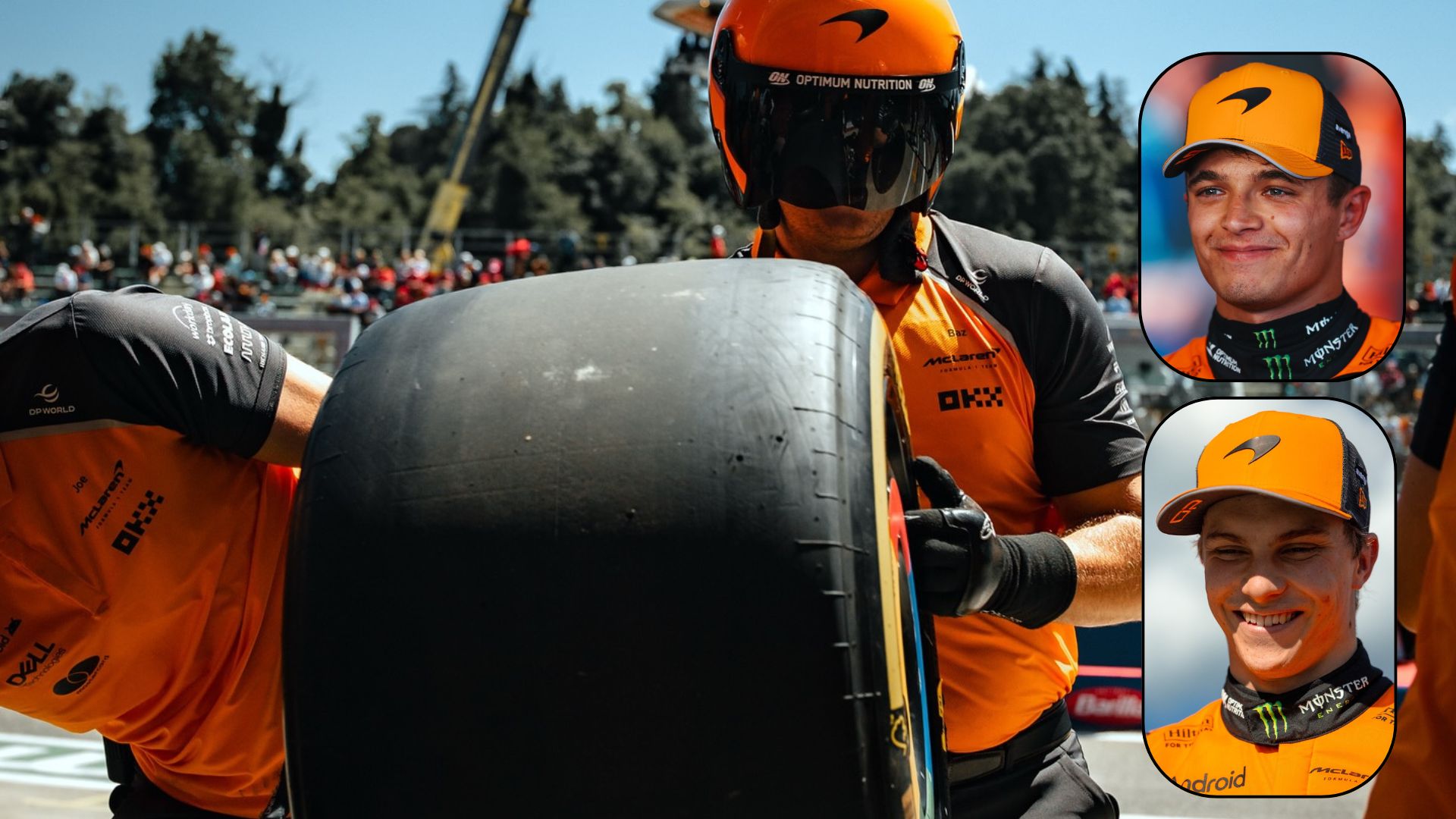
Image via McLaren/Facebook
The World Endurance Championship’s season-opening trip to Qatar just got pushed back. The FIA has confirmed that the WEC’s 1812km race, originally set for March 26-28 at Lusail International Circuit, will not run as scheduled, with officials pointing to the shifting security situation across the Middle East as the reason for the delay.
Instead of Lusail, the WEC will now open its 2026 campaign at the 6 Hours of Imola in April, giving manufacturers an unexpected but manageable substitute for their first points-paying event of the year.
The decision didn’t come out of nowhere. Series organizers said they’d been tracking regional conditions closely and worked directly with Lusail International Circuit before settling on a postponement rather than an outright cancellation, meaning Qatar is expected to get a rescheduled date later in the season rather than disappearing from the calendar entirely.
Why a WEC Delay Has F1 Fans Paying Attention
The Qatar postponement matters beyond endurance racing because it’s widely seen as a preview of what Formula 1 may have to decide about its own upcoming Bahrain and Saudi Arabian rounds. Those races sit close together on the calendar and share a region with the WEC event, so the same security concerns driving the WEC’s decision apply just as directly to F1’s plans.
If F1 ultimately follows the WEC’s lead, the fallout would be far messier. Formula 1’s calendar has almost no slack in it: the season already runs into the first week of December, so there’s little room to simply tack Bahrain and Saudi Arabia onto the back end of the year without bumping something else or eating into mandatory team breaks. A cancellation or delay of both races would likely mean the championship goes straight from the Chinese Grand Prix in mid-March into a lengthy gap until the Miami Grand Prix in early May.
That’s a meaningfully different problem than the one WEC organizers faced. Endurance racing’s calendar has more breathing room to absorb a rescheduled date, which is exactly why Imola could slot in as the new opener with relatively little disruption. F1’s tighter, globe-spanning schedule doesn’t offer that same flexibility.
Other Series Are Watching Too
MotoGP is also due in Qatar in early April for its own scheduled race. It operates under a completely different governing body and isn’t sanctioned by the FIA, so it isn’t directly tied to the WEC decision, but it’s competing in the same region under the same conditions, which means it could face a similar call in the coming weeks.
For the manufacturers who use the WEC to develop and showcase hybrid powertrain technology, the delay simply means a longer wait before their programs get their first real competitive mileage of the season. It’s an inconvenience rather than a crisis, but it underscores how interconnected international motorsport scheduling has become, one region’s security situation can ripple through multiple championships that have nothing to do with each other on paper.
For now, the Qatar 1812km is officially off the March calendar and the WEC opener is Imola. Whether Formula 1 makes a similar call on Bahrain and Saudi Arabia should become clear in the coming weeks, and given the tighter constraints on F1’s schedule, that decision carries considerably higher stakes.
About the Author