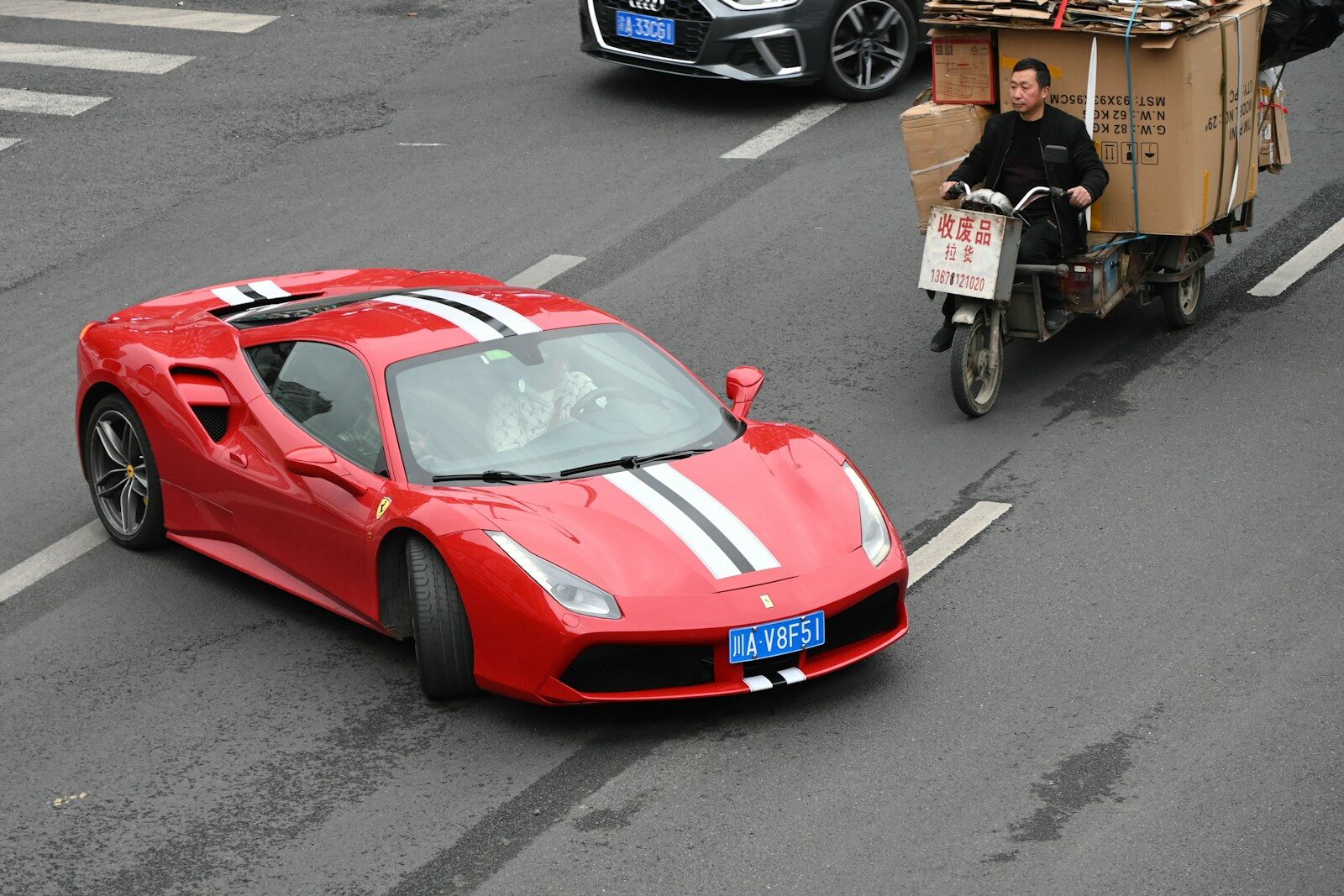
Ferrari doesn’t pause deliveries lightly. That’s exactly why a week-long halt in Middle East shipments sent a jolt through the automotive world — not because of a supply shortage or slumping demand, but because a rapidly escalating regional conflict made simply moving cars nearly impossible.
What Actually Triggered the Disruption
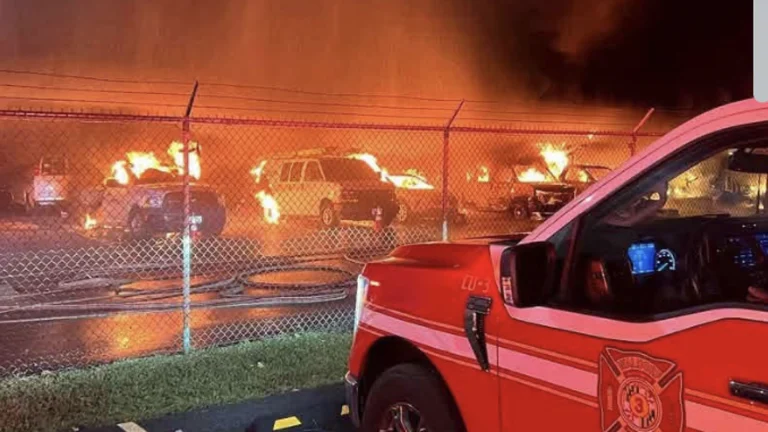
The chain of events started on February 28, when U.S. and Israeli forces launched strikes on Iran. Iran responded quickly, hitting back at Israel, U.S. military positions, and locations across Gulf states. The conflict didn’t stay confined to military targets — it spilled directly into global shipping lanes running through the region. Fuel exports were disrupted, and maritime operations slowed or stopped entirely in the affected risk zone, a nightmare scenario for any automaker relying on precise, scheduled global logistics.
Ferrari responded by suspending deliveries to the region entirely, citing the logistical instability directly. Maserati, under the Stellantis umbrella, made the same call around the same time, also pointing to safety and logistics concerns.
Resuming Shipments, at a Real Cost
After roughly a week, Ferrari confirmed shipments had resumed — but not without significant behind-the-scenes changes. The company rerouted seafreight and, in some cases, turned to airfreight to get vehicles into the region. That’s a meaningful shift, not a minor tweak: airfreight for high-value vehicles requires specialized crating, tighter insurance coverage, and competition for limited widebody cargo capacity, all of which make it dramatically more expensive than standard roll-on/roll-off sea shipping. Ferrari hasn’t disclosed the financial hit, but forcing a brand built around precision logistics into reactive, emergency routing isn’t free, and those costs tend to land somewhere — typically on margins first, and eventually on customers if the disruption drags on.
Maserati’s situation looks different. As of this reporting, the brand hadn’t confirmed whether its own deliveries had resumed, a silence that stands out next to Ferrari’s public confirmation. It suggests Ferrari’s scale and operational flexibility let it adapt faster than a smaller-volume brand working with tighter margins and less logistical muscle to throw at an emergency reroute.
Why a Regional Pause Has Global Implications
The Middle East isn’t a peripheral market for brands like Ferrari — it’s one of the most important hubs for luxury vehicle demand anywhere in the world. A delivery interruption there doesn’t just push back a handful of deliveries; it strains relationships with high-value customers who expect the kind of consistency and exclusivity that comes standard with a seven-figure car.
It also exposes something uncomfortable: even the most premium, highly resourced automotive operations are still just as exposed to geopolitical shocks as anyone else. A single week of regional conflict was enough to stop shipments from one of the most prestigious car brands on the planet. That’s not a footnote — it’s a preview of how fragile global vehicle logistics can be when politics, not production, becomes the bottleneck.
Who Absorbs the Impact
In the short term, Ferrari comes out ahead simply by maintaining its presence in a key market, even at a higher operating cost. That’s a win for brand continuity and customer retention. But the costs of that win don’t vanish. Shipping networks absorb the strain, logistics costs climb, and buyers in the affected region are the ones left dealing with delays, potential price increases, and far less predictability than they’re used to from a brand that sells consistency as much as it sells horsepower.
What Comes Next
Shipments have resumed, but the underlying instability hasn’t gone anywhere. The same geopolitical tensions that triggered this pause remain unresolved, and there’s nothing stopping the next escalation from happening just as fast — or lasting considerably longer. That raises a harder question for the entire luxury automotive supply chain: how sustainable is a global logistics model that can be shut down overnight by events that have nothing to do with cars at all? For enthusiasts, the lesson is straightforward. The cars people love are tied to a global system that’s growing less predictable, not more — and if even Ferrari can’t fully insulate itself from that, few in the industry can.
About the Author