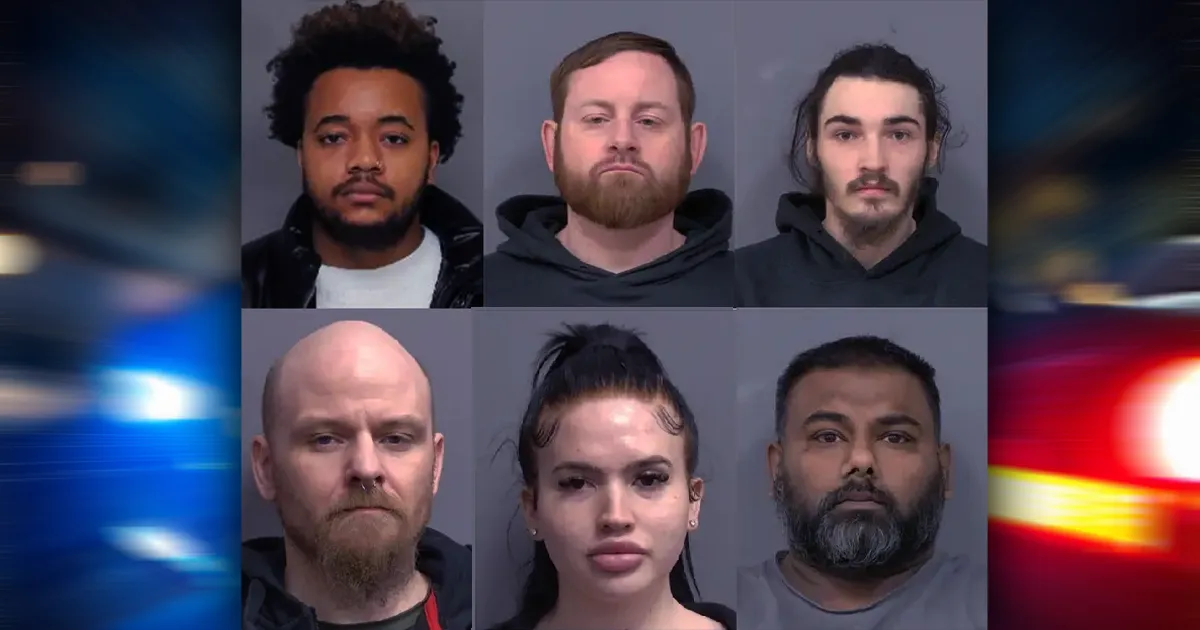
There’s the headline version of this story, and then there’s the part that actually matters to drivers. On paper, it reads like a clean win: police in the Greater Toronto Area recovered roughly $800,000 worth of stolen vehicles and charged six people connected to a string of carjackings. The problem is largely treated as solved. It isn’t.
This Wasn’t Random — It Was Targeted
The investigation, dubbed Project Stratis, began after a cluster of armed carjackings between mid-January and early February. The timeline is the first red flag: this wasn’t a scattered handful of incidents over months, it was a tight window where the same pattern kept repeating. Authorities say high-end vehicles were the consistent target, with Mercedes-Benz models showing up again and again. That kind of repetition isn’t coincidence — it’s selection. When the same makes and models keep getting hit, it typically means whoever’s behind it already knows exactly what those cars are worth and where they’re headed after the theft. That’s not opportunistic crime. That’s a supply chain.
The Number Sounds Big — But Look Closer
Eight vehicles. Roughly $800,000 total. That’s the headline figure. But the more useful question isn’t the dollar amount recovered — it’s how fast the operation came together. All of this reportedly played out over just a couple of weeks: multiple vehicles, same category of targets, concentrated in the same area. That kind of pace doesn’t happen by accident. It points to an operation that was already organized and moving before investigators caught up to it. And if eight vehicles were recovered in that window, the obvious follow-up question is how many weren’t.
Arrests Don’t Mean It’s Over
Six people were charged, which is a solid outcome from a law enforcement standpoint — the group gets disrupted, vehicles get recovered, and the case moves toward prosecution. But from a driver’s perspective, the bigger picture doesn’t really change, because this wasn’t simple theft. It was carjacking, a fundamentally different category of risk that involves direct confrontation rather than someone quietly targeting an empty driveway at night. That risk profile doesn’t disappear just because a handful of arrests were made.
Why These Cars Keep Getting Picked
There’s a straightforward reason certain brands keep showing up in cases like this: value that extends well beyond the sticker price. High-end vehicles tend to hold resale value, their parts stay in demand, and — contrary to what a lot of owners assume — some are easier to move through resale or export channels than expected. Once a pattern like that gets established for a particular group of vehicles, it tends to repeat, because the economics behind it keep working until someone shuts the pipeline down.
What Ownership Looks Like Now
Owning a high-end vehicle used to come with the usual set of concerns: maintenance costs, insurance premiums, maybe a theft risk if it was left somewhere careless. Cases like this add a different layer entirely. It’s no longer just about protecting the car — it’s about thinking through when you drive it, where you stop, and how visible you are while doing it. That’s not a sign every owner is suddenly at serious risk all the time, but it reflects how quickly a situation like this can escalate when a coordinated group decides a specific model is worth targeting.
The Part That Doesn’t Get Fixed by an Arrest
Operations like Project Stratis don’t materialize out of nowhere. There’s demand behind them, and a broader system that allows stolen vehicles to get resold, re-registered, or moved out of the region entirely. That system isn’t what got arrested here — this particular group did. The underlying demand and resale infrastructure that made the operation profitable in the first place remains intact, waiting for the next group willing to run the same playbook.
The Bottom Line
Recovering $800,000 in vehicles is a real win, in the narrow sense that matters to the people who get their cars back. But the more important story is how quickly this operation came together, how specifically it targeted certain vehicles, and how aggressive it became in a short window of time. That’s the part worth remembering, because if it happened this fast once, there’s nothing stopping a similar operation from happening again.
About the Author