A dealership mechanic behind the wheel of a Ferrari, turning a Texas highway into an impromptu racetrack, sounds like a movie premise — except this one ended in handcuffs. What started as a burst of speed on Interstate 45 quickly spiraled into a legal situation involving multiple arrests, potential job consequences, and even federal immigration enforcement. For anyone who cares about cars, it’s a reminder of how quickly access to a high-performance machine can turn into serious personal and professional liability.
A Ferrari, a Celica, and a Dangerous Stretch of Highway
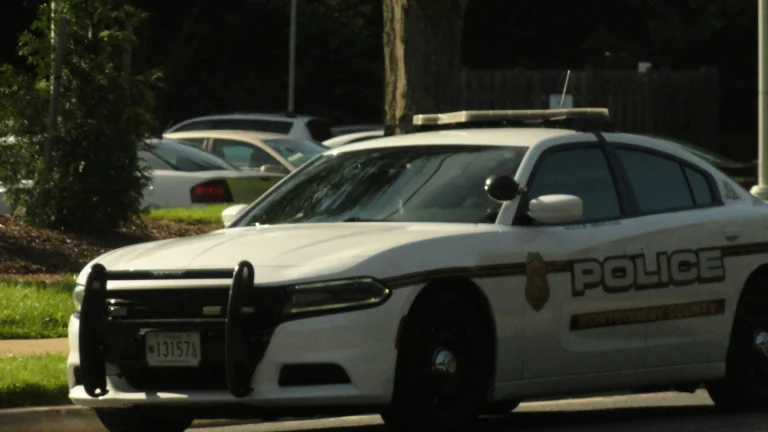
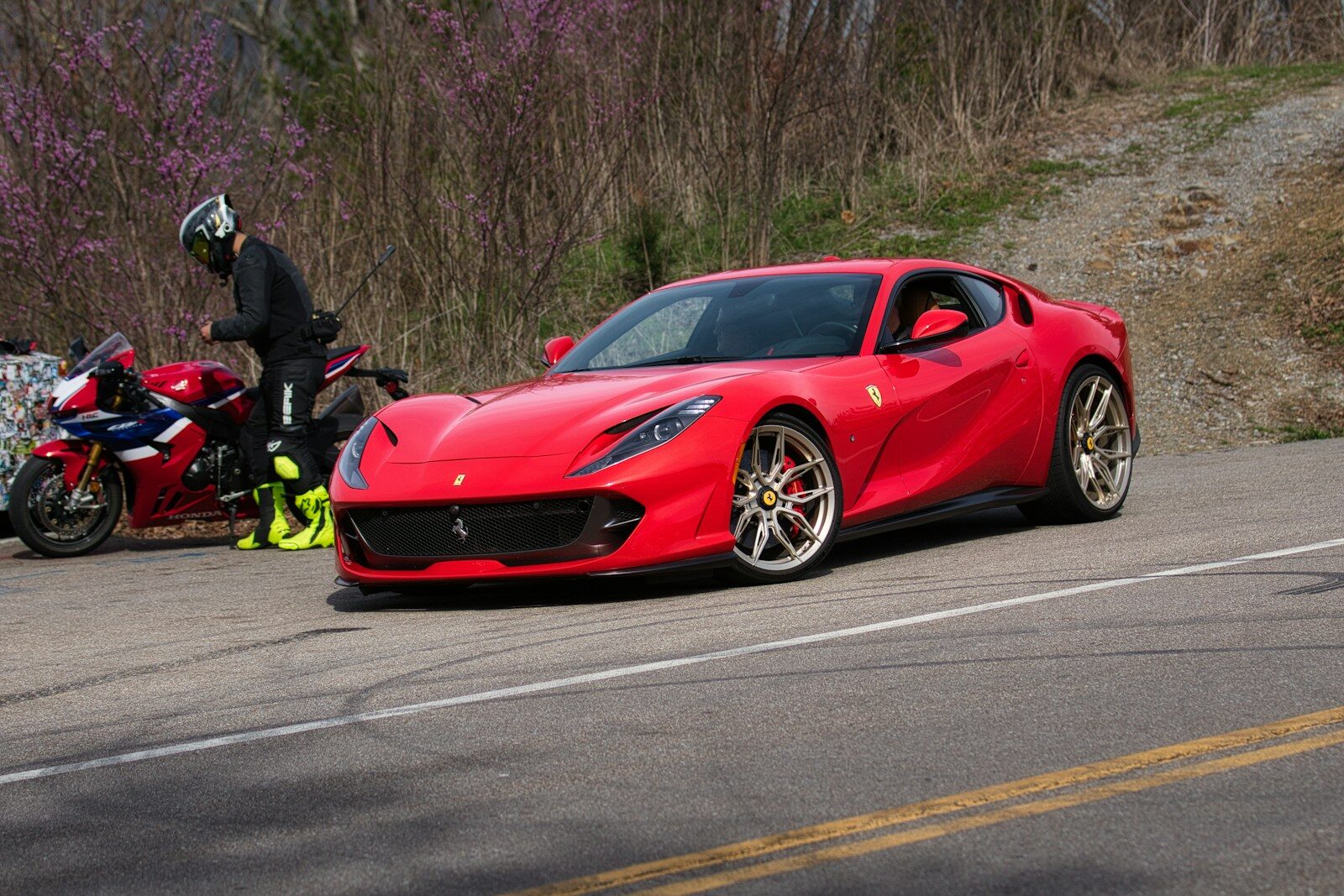
The incident unfolded in Montgomery County, Texas, where deputies spotted a red Ferrari California T weaving through traffic at high speed. While no crash was reported, the driving observed by deputies crossed the line from ordinary speeding into what authorities consider reckless endangerment, a distinction that matters on a crowded interstate and one officers are enforcing more aggressively these days.
The Twist: The Ferrari Wasn’t His
What turned this from a routine street-racing bust into something more serious was the discovery that the Ferrari didn’t belong to the driver at all. The car was owned by a local dealership, and the man behind the wheel was a 32-year-old mechanic employed there. Mechanics at high-end dealerships often get legitimate access to exotic vehicles for diagnostics and test drives, but that access comes with strict boundaries — the moment a car gets used outside of those boundaries, the risk shifts from personal to professional, and potentially onto the dealership itself. What might otherwise have been a straightforward reckless driving charge now carries added weight, raising questions about liability, insurance exposure, and whether internal dealership policy was violated in the process.
A Second Driver, and a Legal Complication Beyond Traffic Charges
A second driver, a 23-year-old man from Guatemala behind the wheel of a modified Toyota Celica, accelerated after the Ferrari passed him at speed, according to authorities, effectively turning the moment into a spontaneous race. A modified Celica may not match a Ferrari in stock form, but built-up versions can produce real performance — part of what makes street racing so unpredictable, since it’s rarely about evenly matched cars and more about who’s willing to push harder. This case didn’t stop at traffic violations, though. After the arrest, the Celica driver was also held under an immigration detainer, adding a separate legal dimension well beyond the driving offenses themselves.
When Performance Meets Public Roads
The Ferrari California T isn’t a subtle machine — with roughly 553 horsepower and rapid acceleration, it’s built for speed, just not for a congested public highway. On a crowded interstate, that level of performance becomes a liability the moment it ends up in the wrong hands. Law enforcement agencies across Texas have been stepping up efforts to crack down on street racing and exhibition driving, and incidents like this one reinforce why: high-speed lane changes and aggressive driving don’t just put the drivers involved at risk, they endanger everyone else sharing the road. That’s why authorities increasingly treat these cases as public safety matters rather than routine speeding tickets.
The Dealership Fallout No One Talks About
There’s another side to this story that doesn’t get as much attention: the dealership itself. When an employee misuses a vehicle, especially one as valuable as a Ferrari, the consequences rarely stop with the driver. Dealerships operate under strict insurance policies and liability frameworks, and an incident like this can trigger internal investigations, disciplinary action, and real financial exposure. Even without any damage to the car, the reputational risk alone is significant for a business that depends on trust from both customers and the manufacturer it represents.
What This Means for Drivers
Street racing on public roads has always existed, but enforcement is tightening. Technology, surveillance, and coordinated policing efforts mean it’s harder than ever to get away with it, and when someone does get caught, the consequences are only getting more severe. At the same time, this incident points to a real gap: drivers want safe, legitimate places to enjoy high-performance vehicles, and those outlets remain limited. Without proper alternatives like track days, situations like this are more likely to keep happening, not because enthusiasts don’t care about safety, but because the system doesn’t always provide a legal place to push a car’s limits. For everyday drivers, the takeaway isn’t complicated: whether you’re behind the wheel of a Ferrari or a modified Celica, the consequences of pushing limits on public roads are real, and as long as access to powerful vehicles keeps intersecting with unclear boundaries, incidents like this will keep happening, with the consequences only getting more serious each time.
About the Author