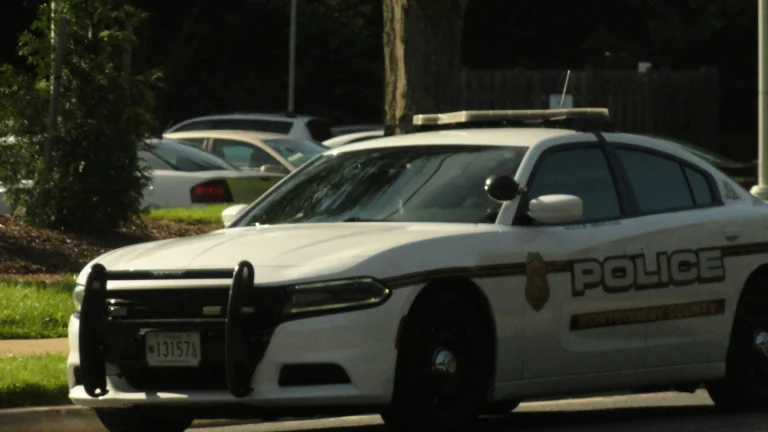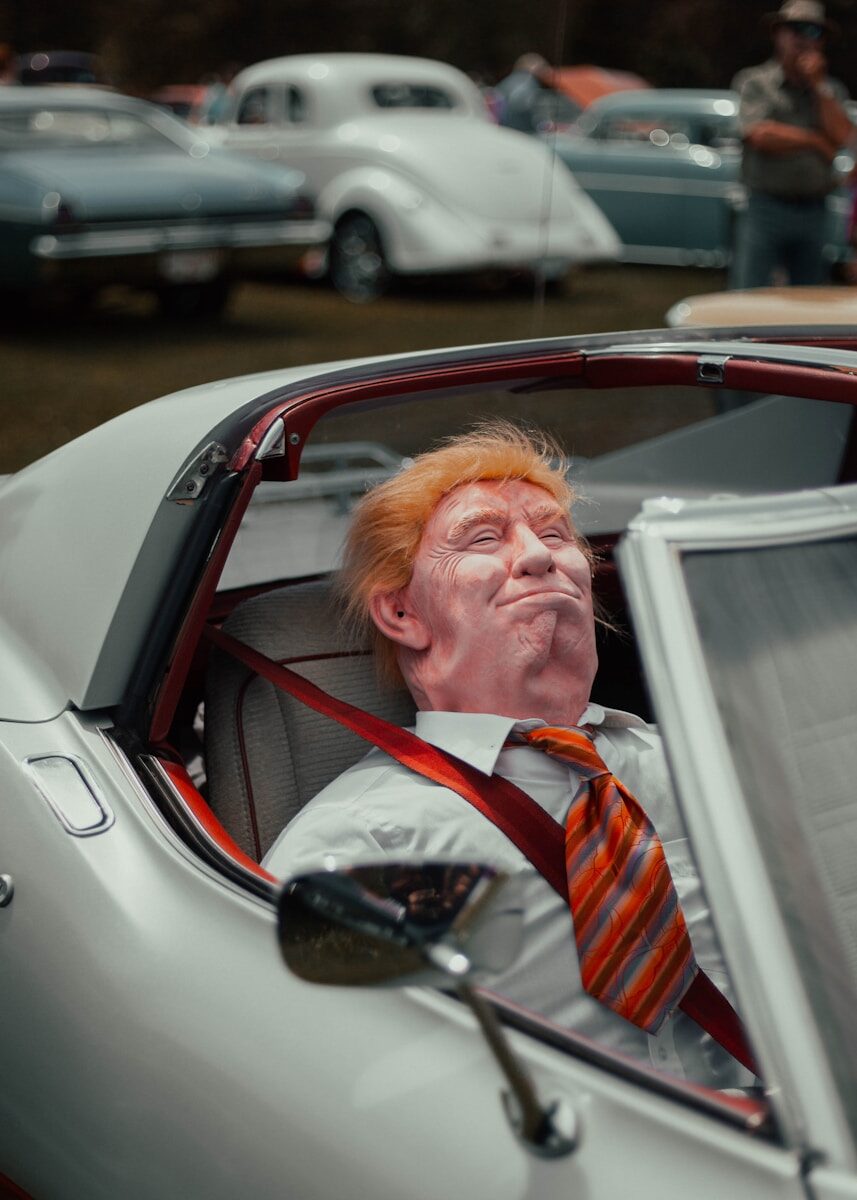
A Long Island man’s rolling political statement has turned into a full-blown federal lawsuit, and he says he’s not backing down even with a settlement check on the table. Michael Wasserman, known locally for driving vehicles covered in pro-Trump flags and messaging, is refusing to settle with the City of Long Beach after officials tried to force him to remove the displays. What started as a local dispute over vehicle signage has grown into a broader legal argument over free speech, government authority, and how far a city ordinance can go in regulating what drivers put on their own vehicles.
The Vehicles That Started the Legal Fight
Wasserman’s vehicles — including a Porsche Carrera, a Jeep Wrangler, and a Humvee — aren’t subtle. Each is covered in bold political messaging and flags, which is exactly what drew the attention of Long Beach officials, who cited a local ordinance that prohibits certain types of displays within city limits. Officials ordered Wasserman to remove the flags, arguing his vehicles violated those rules. Wasserman saw it differently, arguing the order crossed a constitutional line, and he filed a $25 million lawsuit in federal court against the city, its police leadership, and other officials. From his perspective, the dispute was never really about signage — it was about whether a local government can dictate personal expression on private property.
A Settlement Offer, and a Flat Rejection
After years of legal back-and-forth, Long Beach officials attempted to put the matter to rest. In February, the City Council approved a $50,000 settlement to resolve the dispute. For most people facing years of litigation, that might be the end of the story. For Wasserman, it wasn’t even close — he rejected the offer outright, saying the amount falls well short of what he believes the case represents. He’s now holding out for at least $100,000, framing the fight as a matter of principle rather than a payday, and says his goal is defending what he believes are basic constitutional rights rather than cashing a settlement check.
Tension That’s Spilled Beyond the Courtroom
The conflict hasn’t stayed confined to legal filings. Wasserman claims he’s been the target of repeated complaints from neighbors, which he says has prompted frequent police visits to his home, and he alleges his vehicles have been vandalized over the years, including damage to tires and windows. Those specific claims haven’t been independently confirmed by authorities, but they illustrate just how heated this dispute has become at the neighborhood level, well beyond whatever gets argued in a federal courtroom.
Why This Case Matters Beyond One Driveway
For car enthusiasts, the implications here are hard to ignore regardless of where anyone stands politically. Vehicles have long served as a form of personal expression, whether through decals, full wraps, or custom builds, and if local governments can regulate messaging on cars under broad ordinances like this one, it raises real questions about how much further that kind of restriction could eventually extend. There’s also the matter of selective enforcement — disputes like this one tend to raise concerns about whether rules get applied evenly, or whether enforcement depends more on the specific message being displayed than on the underlying act of decorating a vehicle itself.
The Bigger Picture
At its core, this dispute sits at the intersection of free speech, local governance, and car culture. It shows how quickly personal expression can turn into a legal flashpoint once it collides with community standards or political sensitivities, and it underscores a tension playing out in cities well beyond Long Beach, where ordinances aimed at maintaining order can run headfirst into individual rights, especially when those rights are exercised loudly and very publicly. As the case drags on, one thing is clear: this was never really just about flags on a car. It’s about how much control a city government should have over what drivers are allowed to display on vehicles they own.
About the Author