Gas prices are climbing again, and the government is stepping in — just not in the way most drivers expect. Instead of tapping new oil sources or trying to cut demand, regulators are changing what’s actually going into your tank. More ethanol. Less gasoline. And it’s happening fast, through a quiet regulatory move most drivers will never notice at the pump.
What Actually Changed
The Environmental Protection Agency has issued a temporary nationwide waiver allowing the sale of E15 fuel — gasoline blended with 15 percent ethanol instead of the usual 10 percent most drivers are used to. Normally, E15 is restricted during warmer months because of emissions concerns, but supply has gotten tight enough, and prices have already crossed the $4-per-gallon mark in the U.S., that the calculus shifted. The logic is simple: if you can’t easily get more oil, stretch what you already have. That’s where ethanol comes in.
Here’s the part that matters: ethanol isn’t just some minor additive, it changes how the fuel actually behaves. Most gas sold in the U.S. today is E10 — 10 percent ethanol, 90 percent gasoline. E15 bumps that ethanol share up by half again, and it’s usually cheaper, which is the whole selling point. But ethanol doesn’t carry the same energy density as gasoline, which means you’re not getting identical output per gallon. In real-world terms, that can translate to slightly lower fuel economy — maybe not enough to notice on a short commute, but over time, or under a heavier load, it adds up.
Modern Cars Can Handle It. That’s Not the Same as Working Identically
Modern vehicles can generally handle E15 without much trouble — cars built from the early 2000s on were designed with materials and fuel-system components that tolerate higher ethanol blends. So for most daily drivers, this isn’t going to cause immediate damage. But “can handle it” doesn’t mean “works exactly the same.” Engine management systems do adjust automatically, but they’re compensating for a fuel that behaves differently, and that compensation isn’t always perfect, especially in stop-and-go traffic where efficiency already takes a hit.
Older vehicles are more vulnerable. Ethanol-heavy fuel can gradually degrade rubber and other fuel-system components over time — it doesn’t happen overnight, but it happens. Small engines are a different story entirely. Boats, motorcycles, and lawn equipment don’t tolerate ethanol-heavy fuel well at all, because ethanol absorbs water, and if fuel sits for too long it can undergo what’s called phase separation — the ethanol and absorbed moisture sink to the bottom of the tank while straight gasoline floats above it. Engines that draw fuel from the bottom of the tank can end up running on a water-heavy mix, leading to rough operation, damage, or outright failure. Cars might adapt to the new blend; smaller engines are far less forgiving.
The Label Problem Most Drivers Won’t Notice
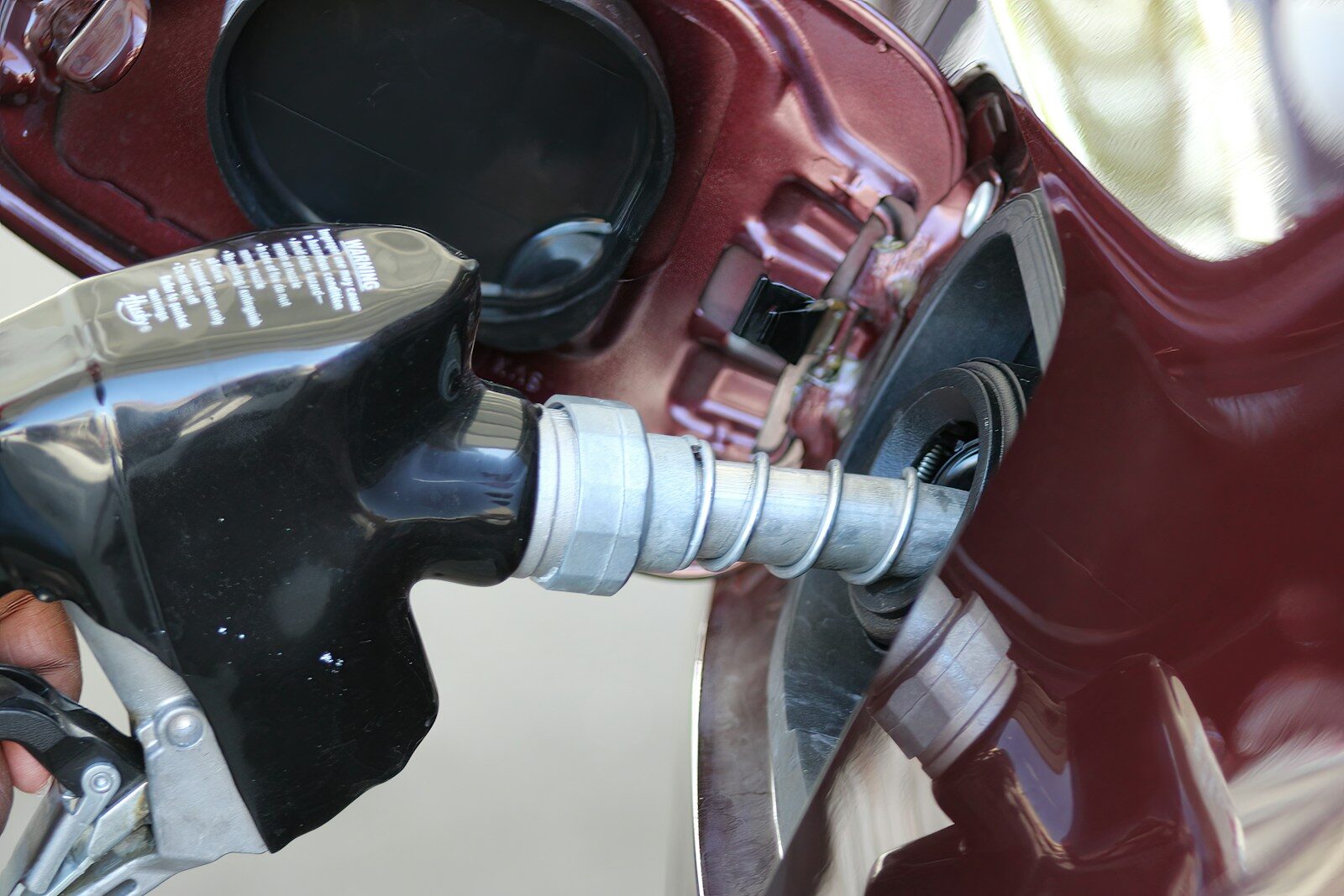
There’s another wrinkle here that most people won’t catch until it’s too late: E15 isn’t always clearly labeled as an ethanol blend at the pump. It’s often sold under names like “Unleaded 88,” a number that refers to the fuel’s octane rating, not its ethanol content. Ethanol naturally boosts octane, so the fuel looks appealing at first glance — higher number, lower price, feels like a win. But that doesn’t mean it’s the right choice for every engine, and that’s exactly where drivers can get tripped up without realizing what they’ve actually put in the tank.
Why Now, and What It Costs Elsewhere
The timing of this move isn’t an accident. Fuel prices are under real pressure, and the government is looking for ways to increase supply without waiting on new production to come online. Ethanol, largely derived from corn, offers a domestic workaround — but even that has consequences. More ethanol production means more demand for corn, and corn isn’t just fuel, it’s a major component of livestock feed. Shift too much of that supply toward fuel, and something else tightens: food costs elsewhere in the supply chain. This isn’t about replacing a massive chunk of foreign oil overnight — it’s about managing perception and short-term price pressure, keeping fuel available, keeping prices from spiking further, and buying time.
Will It Actually Work?
Maybe, in the short term. E15 is typically cheaper, and increasing its availability could soften price increases, at least temporarily — that’s the bet being made. But drivers aren’t just buying fuel, they’re buying performance, reliability, and consistency, and when you start changing that mix, even slightly, those things can shift too. At the end of the day, this isn’t a dramatic overhaul of the fuel system. It’s a quiet adjustment that most people won’t think twice about when they pull up to the pump. But it’s there: more ethanol, less gasoline, a different balance under the hood of the same routine fill-up. Whether it actually saves money or just shifts the cost somewhere else is something drivers are going to feel, one tank at a time.
About the Author