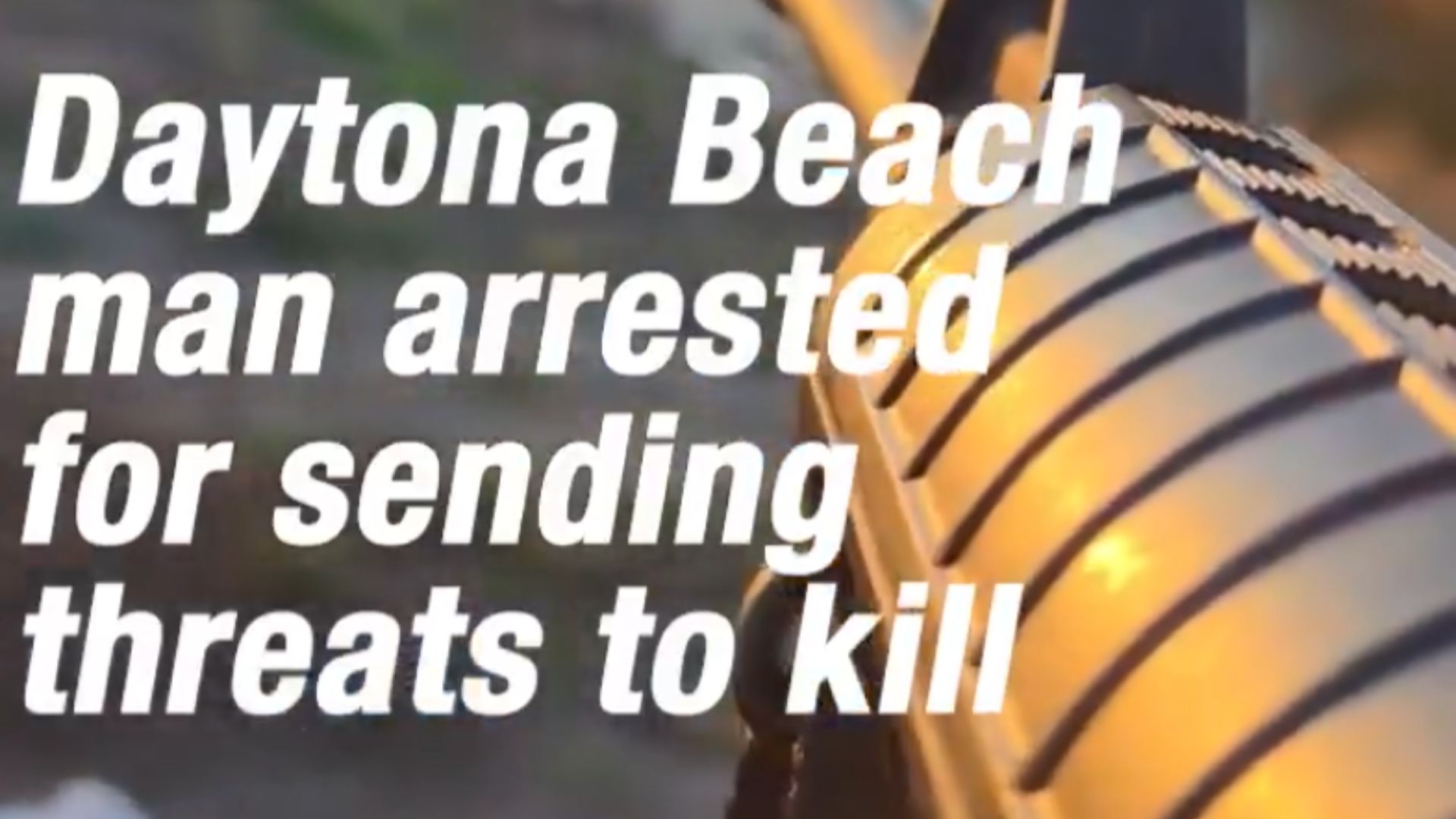
A man staying in an apartment complex directly across the street from Daytona International Speedway was arrested the day before the Daytona 500 after posting videos of himself firing an AR-15 alongside threatening messages, according to the Volusia Sheriff’s Office.
A Daytona Beach man is in custody after sending messages, including video of gunshots, threatening: “This is what’s in store.”
The VSO Domestic Security Unit tracked down Adrian Morales at the Icon One Daytona apartments directly across from Daytona International Speedway on… pic.twitter.com/snNn6kyhrZ
— Volusia Sheriff (@VolusiaSheriff) February 17, 2026
What Deputies Say Happened
According to the Volusia Sheriff’s Office, 45-year-old Adrian Morales was taken into custody Saturday at the Icon One Daytona apartments, a residential complex sitting directly across from the speedway. The timing raised immediate concern, since the arrest came the day before an event that draws more than 100,000 fans and heavy national attention.
Deputies say Morales had recently sent videos showing him firing an AR-15 while repeatedly saying, “This is what’s in store,” accompanied by aggressive language and references to grievances with law enforcement agencies including the Volusia Sheriff’s Office, the DEA, and the FBI. Investigators say this wasn’t Morales’ first contact with authorities either; he had previously left aggressive messages for a NASCAR executive, which had already put him on their radar before the new videos surfaced. The latest threats weren’t directed at that NASCAR official specifically, but his prior history added weight to the concern once his proximity to the speedway became clear.
Why Deputies Moved So Fast
The Sheriff’s Office Domestic Security Unit handled the response, citing Morales’ pattern of increasingly erratic behavior, the violent imagery in his videos, and his location near a major public gathering as the factors driving urgency. Deputies tracked him to the apartment complex and took him into custody peacefully, with no confrontation or injuries reported. Afterward, detectives searched his vehicle in the Icon One Daytona lot and recovered the AR-15 seen in the video along with multiple rounds of ammunition. A judge later ordered Morales held at the Volusia County Branch Jail with no bond.
Officials have not publicly stated that Morales intended to target the race or its attendees, and no formal charges have been announced framing the case that way. His case remains under investigation, and authorities have been careful not to speculate publicly about his ultimate intentions. It’s worth noting that these are allegations at this stage, not a finalized legal determination of intent or guilt.
Why Context Mattered Here
What separates this case from the volume of online threats law enforcement fields regularly is the combination of factors involved: a real weapon confirmed in hand, ammunition recovered afterward, a documented history of contacting authorities and a NASCAR executive, and a location within walking distance of one of the largest annual sporting events in the country as crowds steadily built throughout the weekend. Officials stressed the arrest was driven by that pattern of behavior rather than speculation, and that threats referencing multiple agencies are typically treated as a signal of broader intent rather than a narrow grievance.
Security That’s Designed to Stay Invisible
The Daytona 500 passes without incident most years largely because of layered security work that extends well beyond the speedway gates, with local, state, and federal agencies routinely monitoring potential threats ahead of major events, mostly out of public view. There were no roadblocks, no evacuations, and no disruption to the race weekend. From the outside, everything looked normal while authorities worked a situation they believed couldn’t be left unaddressed. The race went on as scheduled, fans filled the grandstands, and drivers took the green flag.
When law enforcement intervenes before something happens, the result is often invisible by design, since there’s no incident to point to afterward. In this case, the arrest of an armed man issuing threats from across the street from one of America’s largest sporting events raises an obvious question about what might have happened otherwise. Authorities haven’t framed it that way publicly, but the timing, the weapon, and the response all point to a risk deputies weren’t willing to leave unchecked.
About the Author