A Bay Bridge takeover full of dirt bikes, ATVs, and illegal sideshow chaos turned into one of the Bay Area’s biggest coordinated crackdowns yet — more than 100 officers from three agencies moved in, made arrests, and hauled away dozens of vehicles.
More Stories Like This
- Inside the International Luxury Car Theft Pipeline That Sent Stolen Lamborghinis and Rolls-Royces to Nigeria
- Stolen Dodge Ram Found at Bottom of Lake — Fishing Sonar Leads to Surprise Recovery
- ‘Street Outlaws’ Star Daddy Dave Arrested on Stalking, Criminal Tampering Charges
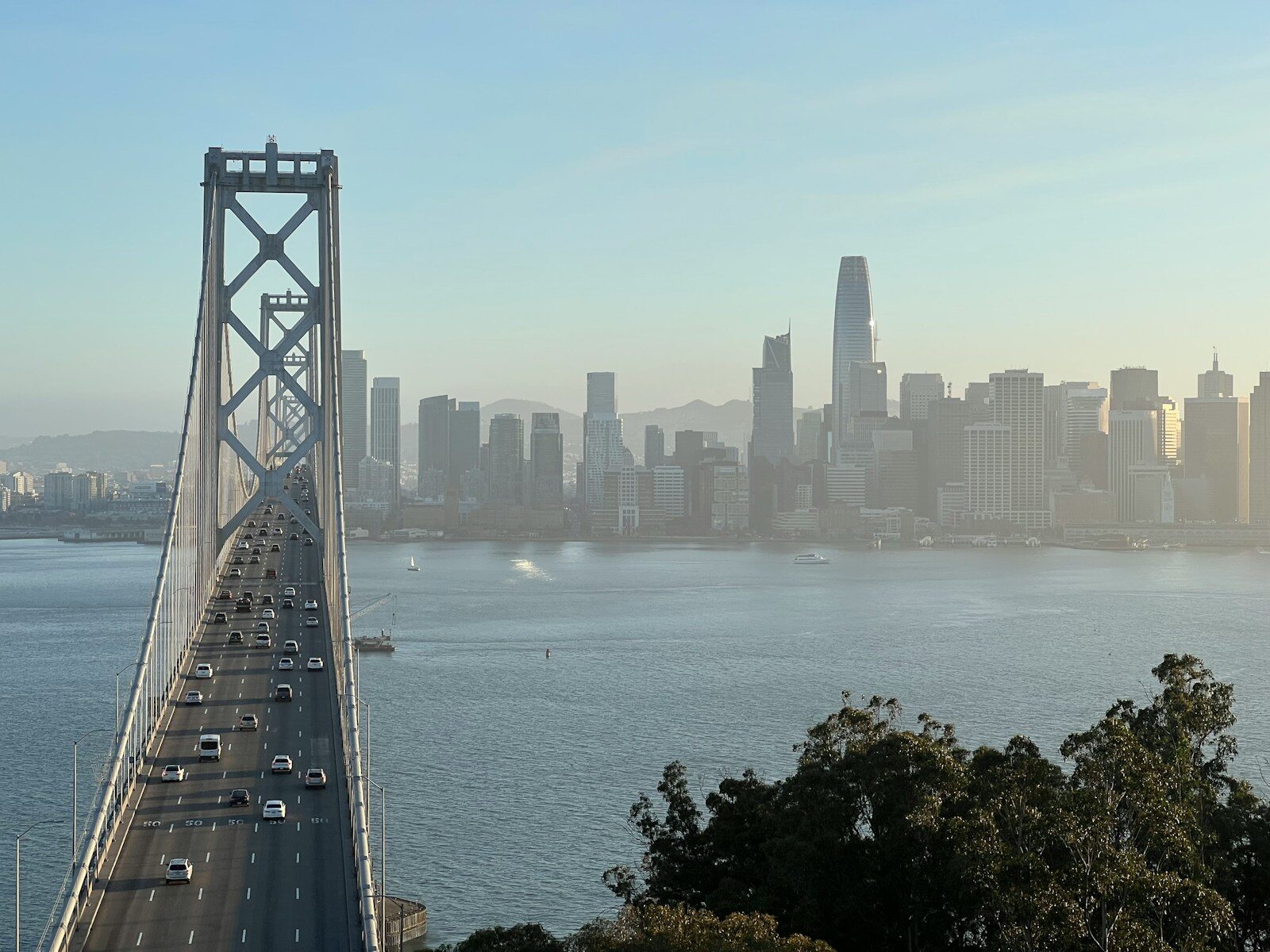
The operation froze traffic on one of California’s busiest bridges while officers tracked the group across multiple cities before boxing them in. Drone footage afterward showed the scale of it: riders flooding the roadway, drivers stuck in dead-stopped gridlock as police closed the net. Then it escalated — authorities say one person leapt off the Bay Bridge into the water trying to escape, while others ran on foot. By the end, police had arrested nine people and seized 77 ATVs and dirt bikes worth an estimated $200,000 or more. And according to police, this is only the beginning.
Illegal sideshows have frustrated Bay Area residents and police for years, and jurisdiction has always been the weak spot. Groups move fast across city lines, bounce between freeways, and overwhelm local departments before anyone can coordinate. Police say that’s exactly what changed Sunday. The group gathered in East Oakland, rolled into San Francisco, then doubled back toward the Bay Bridge — but this time Oakland PD, San Francisco PD, and the California Highway Patrol ran the operation together, in real time.
That’s the whole story, really. Police leaders admitted past efforts failed because riders exploited the gaps between agencies, knowing a jurisdictional line could stall the response or muddy who was in charge. This time they planned around it, with units from all three agencies already positioned and talking to each other when they intercepted the crowd. To the drivers trapped on the bridge, it just looked like chaos — traffic frozen while riders swarmed.
The seizure numbers are the real message: 77 ATVs and dirt bikes pulled off the streets, valued north of $200,000. And police leadership went further. Oakland Interim Police Chief James Beere said flatly that if the call were his alone, the confiscated machines would be destroyed outright. There’s still a legal process tied to the impounds, but the intent couldn’t be clearer — they want riders feeling the financial risk. Losing a modified dirt bike or ATV, hauled in groups across multiple cities, isn’t a slap on the wrist. It’s real money, and that changes the math.
Police are also no longer treating this as just individual rider behavior. Agencies are now openly going after the organizers and promoters who allegedly coordinate these gatherings online and steer participants between locations — the same playbook other cities have used, treating large takeovers less like scattered traffic violations and more like organized events to disrupt before the crowd ever forms. For participants, that means enforcement may increasingly land before engines even start.
You Should Read This Next
- Jay Leno Is Giving Away a Corvette on ‘Wheel of Fortune’ Tomorrow — And Car Fans Are Already Talking
- Could a Lift Kit Leave This Silverado Driver Personally Liable After Viral Lamborghini Crash?
- Classic Chevrolet Camaro Explodes Into Flames After Backfire — Fireball Sends Black Smoke Over Highway
- Tesla’s Cheapest Cybertruck Just Got Hit With a Recall Over Wheels That Can Literally Fall Off
- He Traded a $130,000 Audi R8 for Pokémon Cards, and Car Enthusiasts Can’t Stop Arguing About It
A lot of people immediately asked why a sweep this big — 100-plus officers, dozens of vehicles — produced only nine arrests. Police say it comes down to safety: they have to work within pursuit and enforcement laws, especially in a crush of traffic, pedestrians, riders, and officers, and chasing dirt bikes and ATVs on packed bridges and city streets can turn deadly in seconds.
But a low arrest count doesn’t mean people walked. Officials say investigators gathered enough during the operation to pursue more arrests later, and Oakland police specifically warned that officers could show up at participants’ homes after the fact. That reflects a clear shift in sideshow policing — instead of relying only on arrests during the chaos, departments are leaning on video, drone footage, seized vehicles, and online activity to identify people afterward.
All of it feeds a bigger fight playing out across California. Sideshows are deeply divisive: supporters frame them as part of underground car and bike culture, critics see dangerous takeovers that endanger drivers, pedestrians, and first responders. Police made their stance obvious — leaders from Oakland PD, SF PD, and CHP stood together publicly and called the Bay Bridge takeover unacceptable, promising future enforcement will follow the same multi-agency model. For commuters already stuck in some of the country’s worst traffic, watching a major bridge get overrun only cranks the tension higher. And inside enthusiast circles, the aggressive response sparks its own worry that broad crackdowns could eventually sweep up the people who aren’t the problem.
The Bay Bridge operation may become a blueprint: three agencies in sync, drone monitoring, pre-event arrests, vehicle confiscations, and post-event investigations — far more coordinated than most past Bay Area responses. And authorities sound committed to running it again. They stressed this wasn’t a one-off, describing illegal takeovers as a regional problem demanding regional enforcement, which means future events could face faster response, tighter coordination, and bigger seizures. Sunday exposed two truths at once: sideshows have grown big enough to shut down one of California’s most critical arteries — and law enforcement now looks ready to escalate just as hard in return.
Continue Reading: How a Tiny Corvette Dealership Giveaway Turned the 2026 ZR1 Into One of America’s Hottest Performance Car Obsessions
About the Author