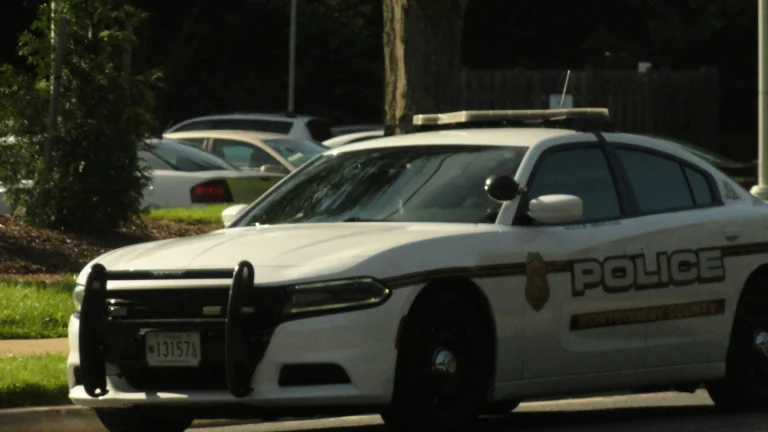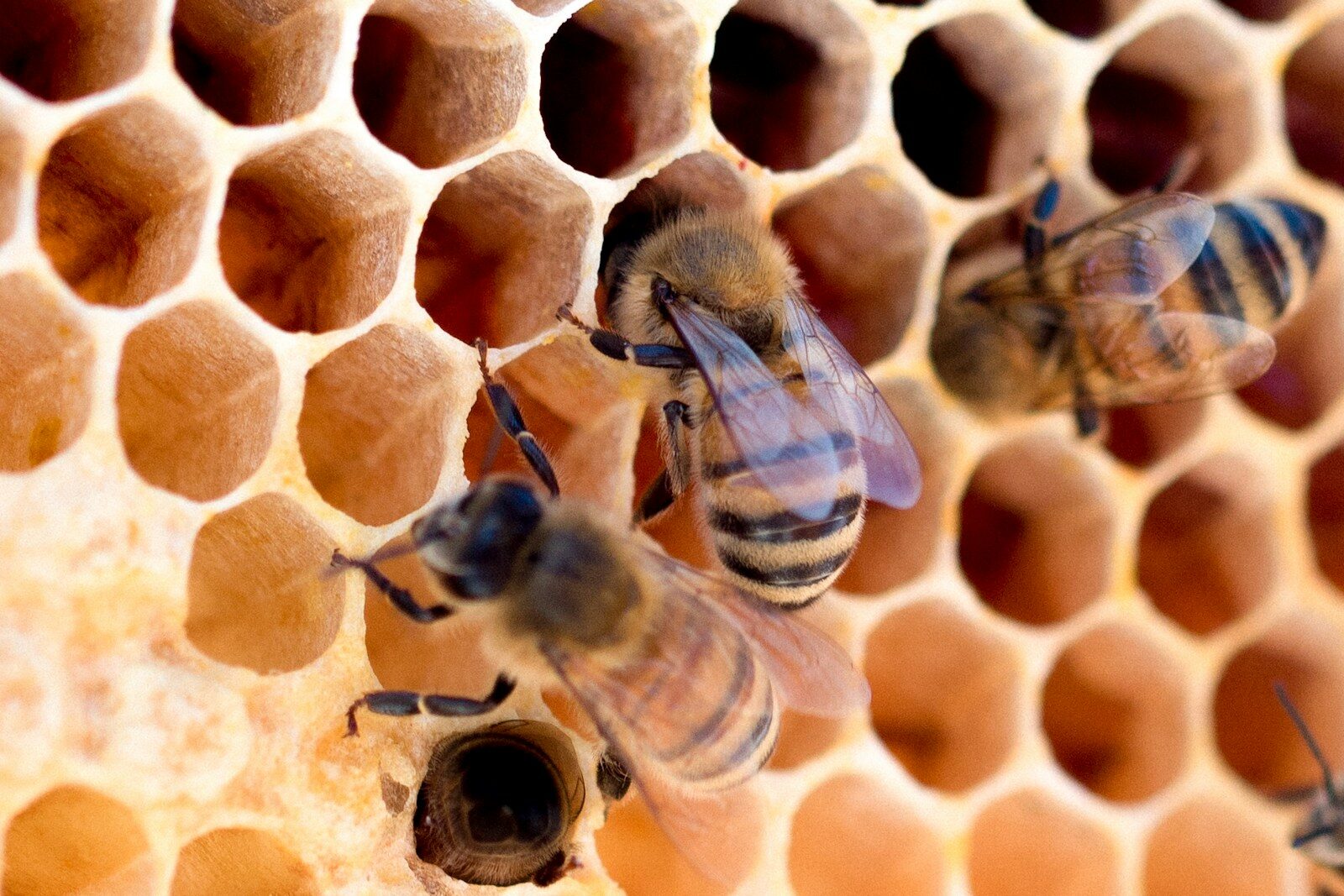
A commercial truck hauling hundreds of beehives went down in a Texas ditch over the weekend, and what spilled out turned an ordinary Sunday into something closer to a horror movie. The rig was carrying 406 hives. When it flipped, those hives broke open, and somewhere north of 24 million honeybees poured into the air at once. People who live nearby were told to get inside, shut their windows, and stay there.
The crash happened June 21 in Mauriceville, an unincorporated stretch of Orange County that sits close to the Louisiana state line. The 18-wheeler lost control and rolled into a ditch. That alone is a bad day for any driver. The cargo is what made it a regional emergency. Each of those 406 hives held somewhere between 60,000 and 80,000 bees, and the force of the wreck cracked them open all at once.
Do the math and the scale starts to sink in. Hundreds of thousands of bees per hive, multiplied across more than 400 of them, adds up to a swarm large enough to choke the air over an entire street. Local emergency officials did not waste time. Residents near Colony Drive were told to remain indoors and seal their windows while the cloud of agitated insects settled over the area.
The response was as strange as the crash
This is the part that separates a weird roadside accident from a genuine public safety scramble. Bees that have just had their homes destroyed are not calm. They defend. First responders showed up to a wrecked truck surrounded by millions of them, and they were not equipped to walk into that. You cannot direct traffic or right a vehicle when the air itself is fighting back.
That is where the local beekeeping community stepped in. The Orange County Emergency Services District reached out to Christie Ray of Queen Bee Supply, a nearby apiary operation, and asked her to bring protective gear to the scene. Ray supplied bee suits to first responders who otherwise had no way to safely get near the wreckage. It was an unusual call for an emergency dispatcher to make, and it tells you how far outside the normal playbook this situation was.
Once they had the right gear, crews and area beekeepers worked the scene together. Footage Ray recorded showed responders and apiarists moving through the swarm, trying to salvage the colonies that survived and get the overturned truck back upright. The goal was not just cleanup. It was to save as many of the bees as possible while clearing a road that had become impassable.
Why a truck full of bees matters more than it sounds
It is easy to treat a story like this as a novelty, a strange headline you read and forget. The reality is heavier than that. Commercial beekeeping moves enormous numbers of hives by truck across the country to pollinate crops. These shipments are routine, they are valuable, and they are fragile. A single overturned trailer can wipe out hundreds of working colonies in seconds.
For the beekeeper who owned that load, the financial hit is real. Bees are livestock, and 406 hives represent a serious investment in both money and time. Every colony that could not be recovered is a loss that does not come back overnight. The crews fighting through the swarm were not just protecting a neighborhood. They were trying to protect what was left of someone’s operation.
There is also the human cost, and that is where the story still has open ends. Authorities have not said how the truck driver is doing. They also have not reported how many stings the residents and first responders took while the recovery played out. Anyone who has been stung even once knows how much a single one hurts. Now picture clearing a wreck inside a cloud of millions of them, and picture the people who do not respond well to bee venom living a few houses away.
The questions that are still buzzing
What stands out about this whole episode is how quickly an ordinary cargo run turned into a coordinated emergency that pulled in dispatchers, first responders, and private beekeepers all at once. A truck tipped into a ditch, and within hours an entire neighborhood was sealed indoors while people in protective suits waded through the fallout.
The cause of the crash has not been spelled out, and the condition of the driver remains unknown. So does the final tally of stings and the number of colonies that did not make it. Those answers matter, because they decide whether this ends as a bizarre footnote or as a more serious incident with lasting consequences for the people who were closest to it. For now, a quiet corner of Orange County got a violent reminder that not every load on the highway is as harmless as it looks from the next lane over.
Source
About the Author