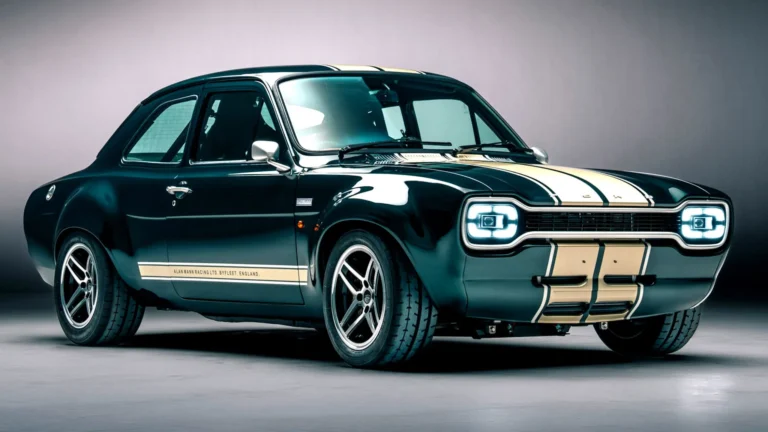

A black Ford sedan tearing down Interstate 25 at 130 mph sounds like the setup for one of those late-night car stories that never quite checks out. This one checked out. Troopers in northern Colorado pulled the car over after a high-speed chase, and what they found inside turned a routine speeding stop into something a lot stranger. The driver was not just fast. He was prepared.
A Stop That Was Never Going to Be Routine
Northern Colorado Highway Patrol clocked the sedan moving at twice the posted limit on I-25, and that alone was enough to bring units in fast. According to deputies who testified about the stop, multiple patrol cars responded once the Ford was tracked going north of 100 mph. The car did not simply give up either. Even with troopers closing in, it managed to keep pulling away for a stretch before the chase finally ended and officers got the driver and his passenger out of the vehicle.
That is usually where a story like this wraps up. A fast car, a couple of tickets, maybe a reckless driving charge. But the closer the officers looked at the Ford, the less it resembled a normal speeding case.
Built to Blend In, Built to Run
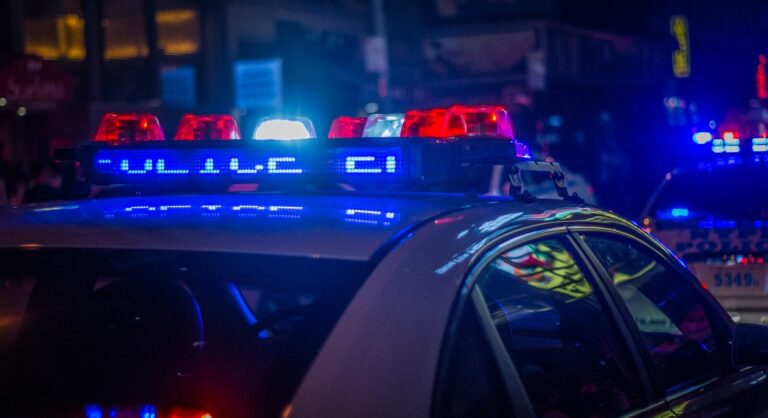
The sedan was not just quick. It had been built to look like a police cruiser. On top of the disguise, officers found a list of modifications that pushed the whole thing well past a gray area and straight into illegal territory. There was a signal jammer. There was a setup that let the driver kill every light on the car at once. There was even a license plate cover, the kind meant to make a plate harder to read on camera or in passing.
Here is the part that matters. None of those features make a car faster. Every single one of them exists to help a driver avoid being seen, identified, or caught. A jammer, a full blackout switch, and a hidden plate are not performance parts. They are evasion parts. Put them together in a car dressed up as a cruiser, and the intent gets hard to argue with.
The Cannonball Connection
The officers had a theory, and it was not a wild one. They believed the car had been put together as a Cannonball Run machine, the kind built for the illegal coast-to-coast sprint that has been part of car culture for decades. The Cannonball Run started as a flat-out dash from the East Coast to the West Coast, and over the years it has grown into a piece of automotive mythology, full of arguments about who did it fastest and what it took to pull it off.
Because the run is illegal, the whole game revolves around staying invisible to law enforcement. Some people use spotters. Some use scanners. And some, apparently, go all in and build a car designed to look like the very thing they are trying to outrun. The Colorado troopers said this was not their first time crossing paths with a vehicle set up this way, which tells you the disguise trick is not as rare as it should be.
Two Names, One of Them Familiar
The driver was identified as Gregg Barclay. His passenger was David Bandler. Both men are now facing charges, and investigators believe Bandler was not just along for the ride. The evidence suggests he was actively helping Barclay slip past police, and there were signs in the car that the two were trying to warn other drivers about the police activity around them. That moves the situation away from a solo stunt and toward something more coordinated.
To most people, Gregg Barclay is just a name on a police report. To anyone who follows the car scene, and especially anyone who follows the Cannonball Run, the name lands differently. About two years ago, Barclay showed up on the VinWiki YouTube channel and openly talked about building a Ford Taurus SHO for a Cannonball attempt. He did not hide it. He put it on camera for an audience that eats this stuff up.
Why This One Stings
That public admission is the detail that turns this from a random arrest into a real headache. It is one thing to get caught with a suspicious car and claim ignorance. It is another to have already gone on record describing the exact kind of build you are now sitting in. Enthusiasts love the legend of the Cannonball, and there is no denying the engineering and nerve that go into a serious attempt. But a jammer and a fake cop car doing 130 on a public interstate is not a clever wink at the old days. It is a loaded situation on a road full of people who never signed up for it.
The Cannonball will always have its fans, and the stories will keep getting told. The question now is what happens to a runner who already told his story to the internet long before the lights came on behind him.
Source
About the Author