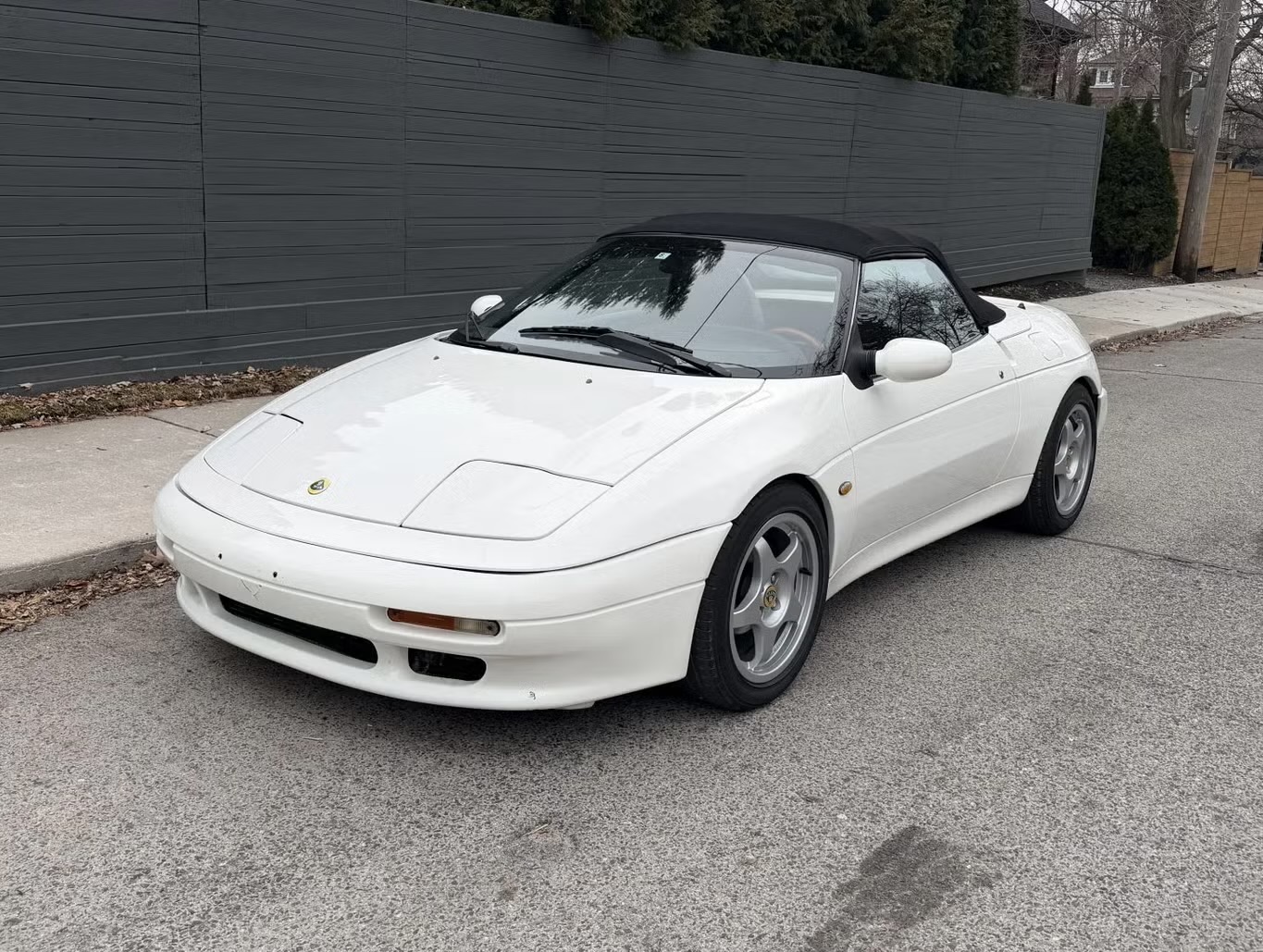
You’re looking at a Kia. At least, that’s what the badge says. But spend about ten seconds around this car and something feels off in the best way possible. Because this isn’t really just a Kia.
A rare roadster has surfaced on Bring a Trailer, and it’s the kind of car that messes with expectations. It carries a Kia name, surprisingly interesting, and that’s exactly why it’s getting attention. The auction wraps up on April 9, and anyone who understands what this thing actually is probably already has it bookmarked. Here’s where things change.
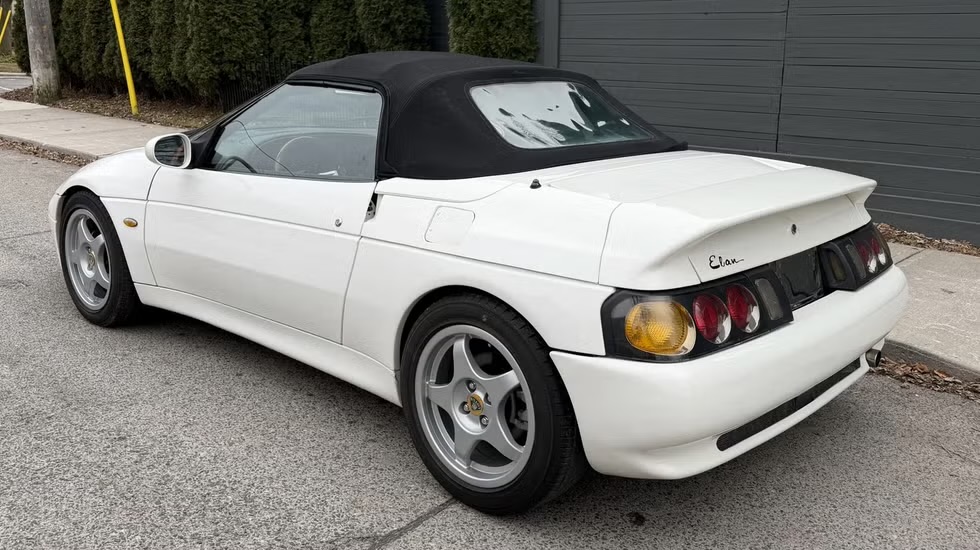
A Rebadged Lotus Elan M100
This car is called the Kia Vigato, a name almost nobody recognizes. It was never sold in the United States, and even in enthusiast circles it flies under the radar. But the moment you start connecting the dots, the story gets a lot bigger.
Because the Vigato is essentially a rebadged Lotus Elan M100. That’s not a loose comparison. It’s the same platform, the same bones, the same spirit. The Elan M100 debuted in 1989 during a time when lightweight roadsters were starting to come back into fashion. It landed right around the same era as the Mazda Miata, though Lotus decided to go a different route.
Front wheel drive. That alone was enough to upset purists. Lotus had built its reputation on sharp, lightweight, rear driven cars, so the idea of a front driven Elan didn’t sit well with everyone. There was a lot of skepticism, and some of it was loud.
The Handling Silenced the Critics
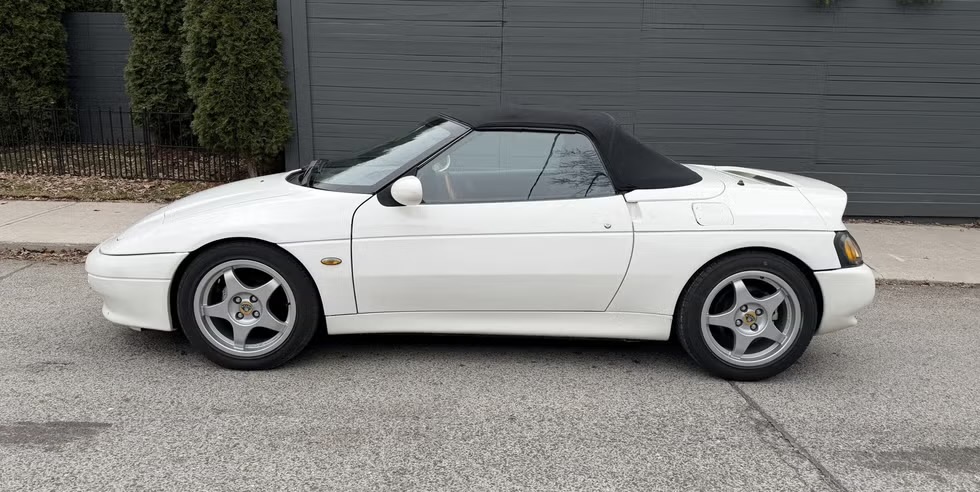
But here’s the part that matters. When people actually drove the car, most of that criticism didn’t hold up. The handling was sharp, responsive, and genuinely fun. The turbocharged engine added some punch, and the overall package felt like a real sports car, not a compromise. It was quick, light, and engaging in a way that mattered more than drivetrain layout debates. There was just one problem. It was expensive.
At nearly forty thousand dollars in the early 1990s, the Elan M100 was priced well above what most buyers were willing to spend on a small roadster. That pricing held it back, even though the car itself delivered where it counted. And then Lotus moved on.
Kia Bought the Tooling and Kept It Alive
Production of the M100 wrapped up in 1995, which usually means the end of the story. But in this case, that’s not what happened. Kia stepped in.
At the time, Kia wasn’t the global brand it is today. It was still building its presence, mostly outside North America, and its lineup leaned heavily on rebadged models. In the early 1990s, you could technically buy a Kia in the United States, but it came through a Ford dealership and wasn’t exactly turning heads. Still, the company had bigger plans.
So when Lotus shut down production of the Elan, Kia bought the tooling and decided to keep it going. That move gave Kia something it had never really had before or since. A true sports car. They called it the Kia Elan, and in Japan, it took on the name Vigato. That’s what this car is.
Assembled Across Three Countries
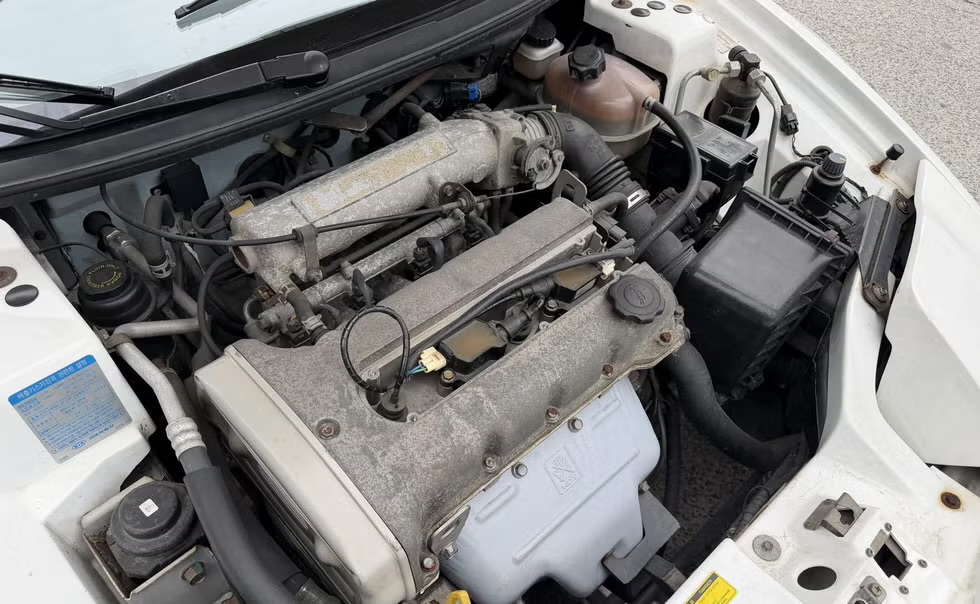
And its journey doesn’t stop there. This particular example has been everywhere. Built from British engineering roots, powered by an engine with Japanese origins, assembled in Korea, then exported to Japan before eventually making its way to North America. It sounds complicated because it is.
It arrived in Canada in November 2022 after being imported from Japan. Before that, it had already made an appearance on Bring a Trailer a few years earlier. So it’s not just rare, it’s also been circulating quietly among people who know what they’re looking at.
Mileage is low, too. Just about thirty three thousand miles on the odometer, which is impressive for a car from this era. That helps its case as a collectible, but honestly, the story alone is doing most of the heavy lifting.
155 Horsepower, Front-Wheel Drive, and Lotus DNA
Under the hood, things stay true to the Elan formula. This version uses a 1.8 liter engine that came later in the production run, producing around 155 horsepower when new. It’s paired with a five speed manual transmission, sending power to the front wheels. On paper, those numbers don’t look wild. But this isn’t about raw power.
It’s about how the car uses what it has. Lightweight construction, a well sorted suspension, and a setup that focuses on driver feel over brute force. That’s classic Lotus thinking, even if the badge on the nose says something else. And yes, the details are still there. It rides on lightweight wheels, features four wheel disc brakes, and uses a control arm suspension setup that helps it stay planted. Inside, it’s pure 1990s, with patterned cloth seats and a wood rim steering wheel that feels almost out of place in a fun way.
A Car That Will Confuse Everyone at Cars and Coffee
The soft top is manual, which means fewer things to break and a more hands-on experience. With warmer weather coming in, it’s exactly the kind of car that makes sense for top-down driving without overcomplicating things. And that’s where it really hits.
This car will confuse people. Pull up to a cars and coffee event and most folks won’t know what they’re looking at. Some will see the Kia badge and move on. Others will notice the shape and start asking questions. That’s the appeal.
It’s not trying to be obvious. It’s not loud about what it is. But once you understand it, it becomes a lot more interesting than most cars in the same price range. This isn’t a typical Kia. It’s the only sports car the brand has ever really produced, and it carries genuine Lotus engineering underneath.
That combination doesn’t come around often. The auction is closing soon, and whoever ends up with this car isn’t just getting a quirky roadster. They’re getting a piece of automotive history that crossed multiple continents and somehow stayed under the radar. It’s rare, it’s fun, and it doesn’t fit neatly into any category. And honestly, that’s exactly why it matters.
About the Author