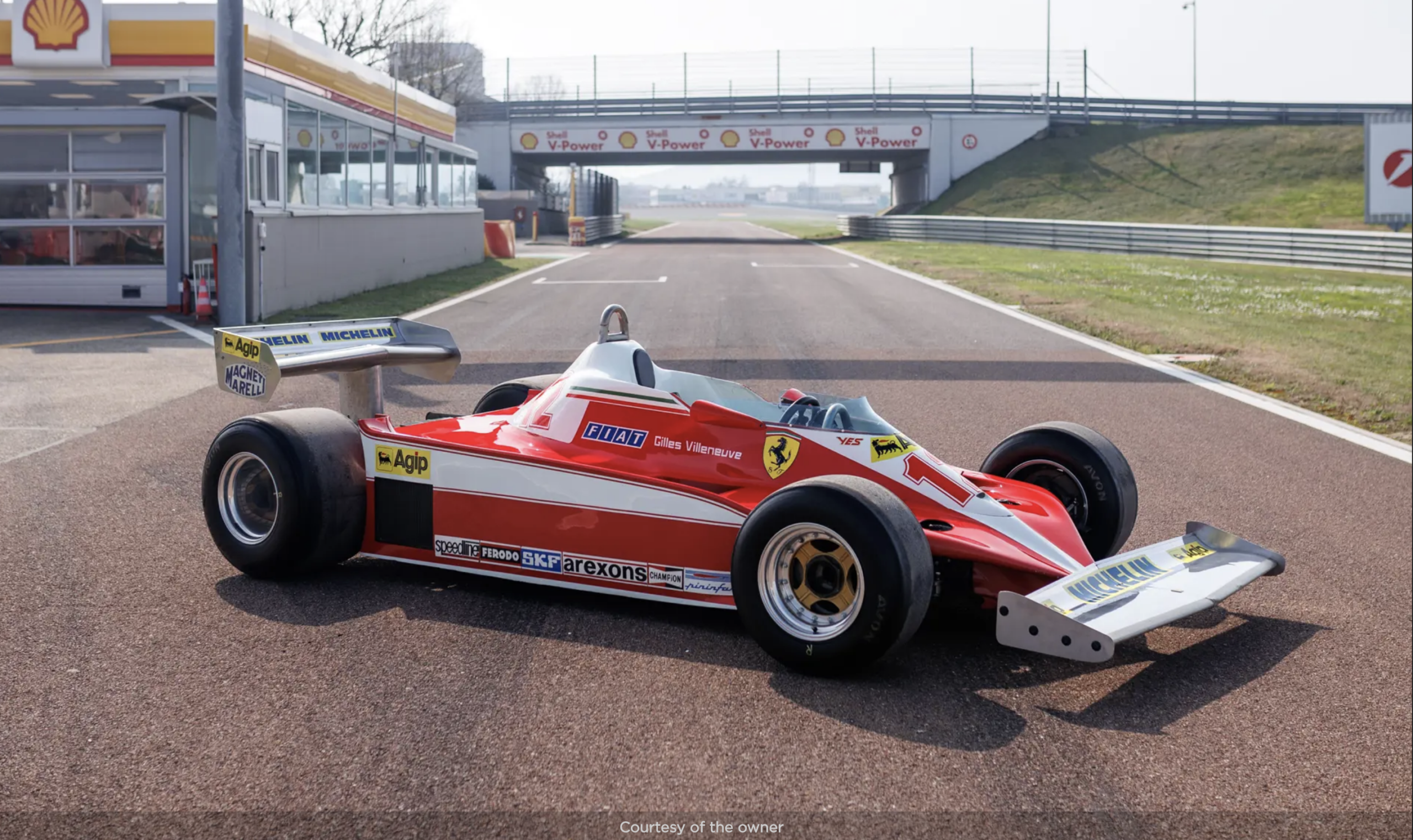
Some cars are valuable because they’re fast. Others because they’re rare. Then there’s a car like this 1978 Ferrari 312 T3, heading to RM Sotheby’s with an estimate exceeding $5 million and carrying something far harder to put a number on: a documented run through one of Formula 1’s most unstable, unpredictable eras, behind the wheel of two of the sport’s most notable drivers.
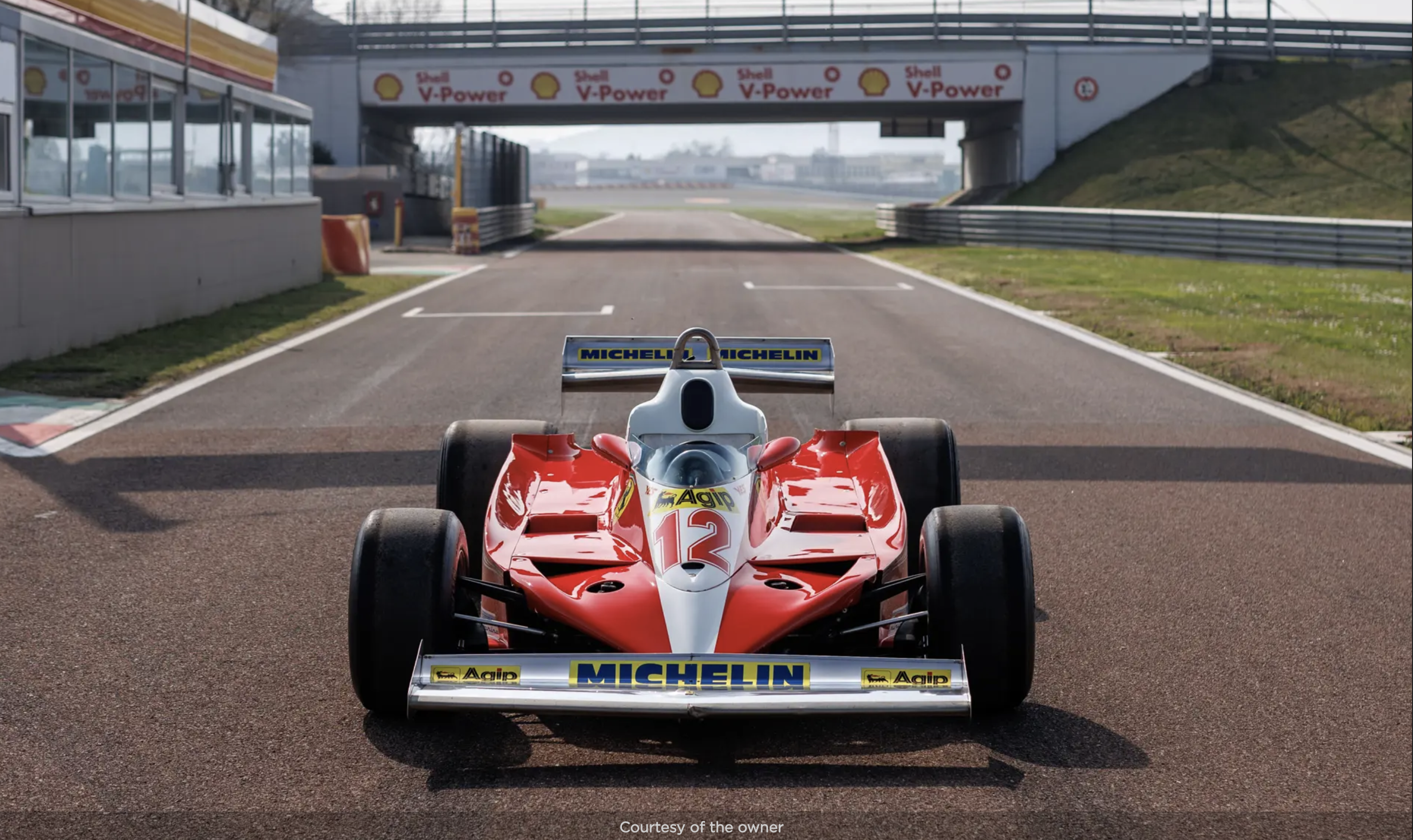
A Ferrari Built for a Season With No Rulebook
This particular chassis, identified as number 036, is one of only five examples Ferrari built for the 1978 Formula 1 season — rare territory even among historic race cars. It was driven by Carlos Reutemann, a 12-time Grand Prix winner, through several races that year before being handed to Gilles Villeneuve for the 1979 season opener. That pairing alone gives the chassis serious weight, since both drivers were central to Ferrari’s lineup during one of the team’s most turbulent competitive stretches.
The late 1970s were anything but stable in F1. Teams were experimenting constantly with aerodynamics, chassis design, and engine layout, and Ferrari’s approach, led by engineer Mauro Forghieri, leaned toward refining an existing concept rather than chasing every new idea. The 312T series ran a transverse gearbox layout paired with a naturally aspirated 3.0-liter flat-12, a setup that had worked well earlier in the decade. By 1978, though, the competitive landscape was shifting fast — Lotus had introduced its ground-effect 79, a car that dramatically increased grip and cornering speed. Ferrari didn’t have that same advantage yet, which meant chassis 036 had to lean on balance and driver skill rather than aerodynamic breakthroughs.
A Season of Close Calls and Small Victories
The car made its race debut midway through the 1978 season in Sweden, where Reutemann qualified eighth and climbed as high as third before fading to finish tenth — not a standout result, but proof the car could still compete under pressure. France exposed a different challenge: Ferrari had switched to Michelin tires while most of the grid stayed on Goodyear, and that decision proved difficult at Paul Ricard. Reutemann struggled through multiple pit stops and shifting strategy, yet still set a lap record during the race — the kind of underlying pace collectors look for even when the final result doesn’t reflect it. The car served as a backup at the British Grand Prix while another Ferrari took the win, then returned to action in Austria, where Reutemann qualified strongly but spun and needed assistance to rejoin, resulting in a disqualification. It’s a reminder that chaos and controversy were simply part of F1 at the time. The Dutch Grand Prix marked one of the car’s final meaningful results of 1978, with Reutemann starting fourth and finishing seventh against strong competition, before the car shifted into a supporting role for the rest of the season.
The Villeneuve Chapter Changes the Calculus
The chassis returned for the opening round of the 1979 season in Argentina, this time with Gilles Villeneuve behind the wheel. That association changes how collectors view the car today — Villeneuve’s aggressive driving style defined his reputation, and he brought this chassis home in seventh place during a season where Ferrari would go on to win both the drivers’ and constructors’ championships. After a brief appearance in Brazil as a spare car, chassis 036 was retired from active competition.
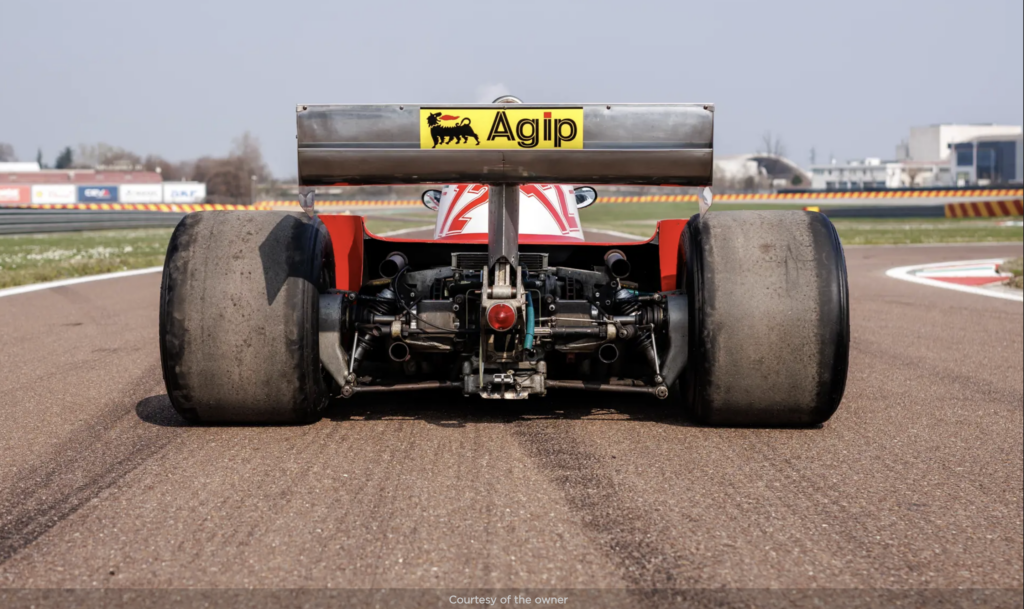
Why the Paperwork Matters as Much as the Track Record
Decades later, this car’s value is tied less to its race results and more to its documented history. It received Ferrari Classiche certification in January 2025, confirming it retains its original chassis and bodywork along with the correct engine and gearbox configuration — the kind of verification that directly impacts value in the collector market, where authenticity separates a genuine piece of racing history from an expensive reproduction. The car is presented in race number 12, reflecting its appearance during Villeneuve’s time behind the wheel, and comes with period-correct equipment including slick tires, jacks, and fueling tools. Those details reinforce that this is more than a static display piece, though running it today would require a full inspection and modern safety updates. Owning a machine like this involves preservation as much as performance, and that balance is part of what defines its appeal.
Why This Car Still Matters
Zooming out, this Ferrari represents a moment in Formula 1 when nothing was settled — teams were experimenting, rules were evolving, and the gap between success and failure was often razor-thin. This particular car never dominated its era or delivered a championship, but it stayed in the fight during a period when the sport was changing week to week. That context ends up mattering more than any single result or lap time, because it’s a physical record of a period when very few things in Formula 1 stayed consistent for long.
About the Author