A high-speed crash on a Florida highway didn’t just end in twisted metal. It cracked open something much bigger. What looked like a single stolen BMW losing control turned into the starting point for a major investigation, one that now ties five people to a coordinated luxury car theft operation stretching across multiple counties.
A Crash That Split a Car in Half
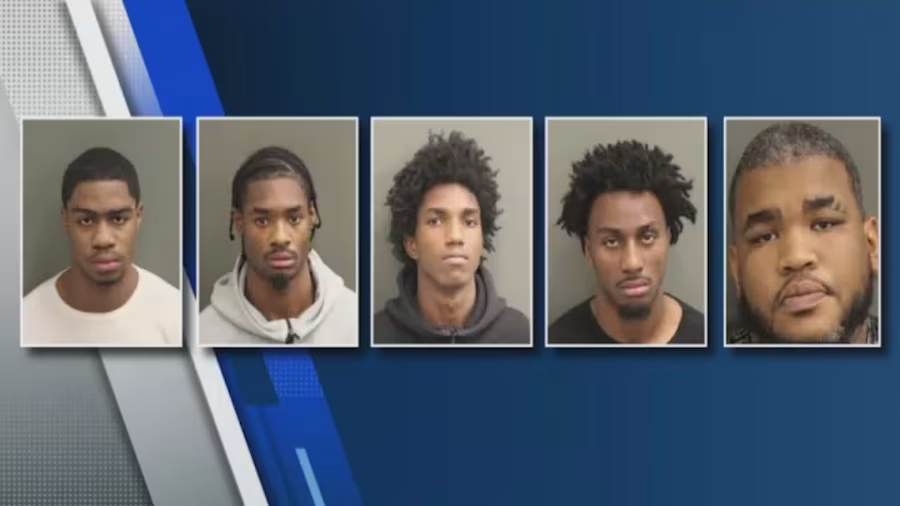
It happened back in August on Interstate 4 in Seminole County. A stolen BMW, already being chased, hit a pole hard enough to split clean in half, not crumpled, not mangled, split, the kind of wreck that doesn’t leave much room for a second chance. At first it looked like one more reckless chase ending badly. Investigators didn’t stop there, and what they pulled loose was a pattern. That driver, deputies now say, wasn’t working alone. The crash has been tied to a larger crew that had been quietly working its way through neighborhoods, picking off high-end cars like it was routine. Five suspects have since been charged with racketeering in what investigators describe as an organized, persistent theft ring.
No Hacking Required
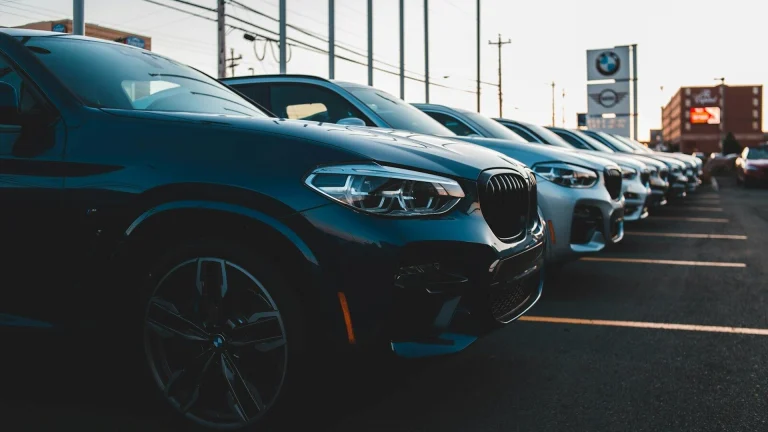
The method behind the thefts is almost insultingly simple. No hacking, no signal boosters, no high-tech wizardry. A lot of these cars were taken the easiest way there is: unlocked doors and keys left inside. That’s it. Investigators say the group hit Orange County and surrounding areas again and again, moving through residential streets and even gated communities, and they weren’t guessing either. Deputies say the suspects cased neighborhoods, watched drivers, and sometimes followed them home, waiting for the right moment. When a garage door went up, they moved. If it didn’t drop fast enough, they slipped inside, and the chance someone might be home didn’t seem to slow them down.
Once they were in a car or a garage, the next move was immediate: grab anything that could be flipped for cash, credit cards, personal items, whatever was lying around, then hit nearby stores almost right away. The cars were just the starting point. It kept going, too. Even after some suspects were arrested and released on bond, investigators say the activity didn’t stop. This wasn’t a one-time spree; it was ongoing, even under pressure. Authorities now estimate the total losses tied to the group at close to $3 million in stolen vehicles and other property. With multiple counties and high-end cars involved, the numbers stack up fast.
The Uncomfortable Part
Strip it all back, though, and the uncomfortable part remains: a lot of these thefts could have been avoided with the basics. Lock the doors. Take the keys. Don’t leave valuables in plain view. It sounds obvious because it is, yet case after case, those small lapses created the opening.
None of which lets the suspects off the hook. Following people home, walking into garages while residents are nearby, carrying on after arrests, that’s deliberate, and it’s the kind of behavior that puts people at risk. Once someone’s willing to enter a space where people might be present, a property crime doesn’t always stay a property crime. The I-4 wreck shows how far it can run: a stolen car at high speed, a driver trying to outrun police, and a vehicle torn in two on a road full of other drivers. It could have been far worse.
A Pattern Showing Up Everywhere
The case echoes a problem showing up across the country: expensive cars taken in surprisingly low-tech ways. Not every theft involves electronic tricks; sometimes it’s just someone trying door handles until one opens. And when a crew figures out how often that works, they keep doing it. Five people are now facing serious charges, the investigation still anchored to that violent crash on I-4, the moment a single reckless escape attempt turned out to be part of something much bigger. And when that opportunity kept showing up, the suspects kept taking it.
About the Author