Nearly $400,000 worth of stolen vehicles didn’t just disappear across Florida—they were being funneled through a coordinated chop shop operation that law enforcement says has now been dismantled. The bust in Riverview didn’t just recover stolen SUVs and muscle cars. It exposed a system that targeted high-end vehicles, altered their identities, and pushed them back into the market for profit.
Three suspects are now facing serious felony charges, but the bigger story is how organized and calculated this operation had become. This wasn’t random theft. It was a business model.
How the Operation Worked
According to the Hillsborough County Sheriff’s Office, Yoan Gonzalez Solorzano, 25, Javier Penate Berbe, 24, and Christien Ravi Bisnath, 31, allegedly orchestrated a multi-month theft operation stretching from December 2025 through March 2026. Their targets weren’t ordinary cars. They focused on high-value vehicles pulled from dealerships, auctions, and even recent buyers.
That detail matters. It shows the suspects weren’t just looking for easy opportunities—they were tracking inventory and identifying vehicles that could bring in serious money. Once stolen, those vehicles were transported to Hillsborough County, where the real work began.
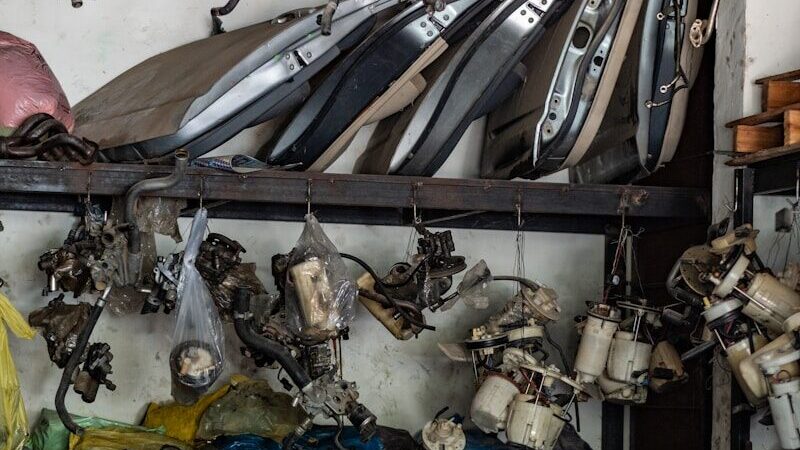
Authorities say the vehicles were either dismantled for parts, resold, or altered using fraudulent VIN swaps. That last tactic is particularly significant. Changing a vehicle’s identity isn’t just theft—it’s an attempt to permanently erase its origin and reintroduce it into the market as something legitimate.
The Yukon Theft That Helped Crack the Case
One of the most telling examples of how this operation functioned comes from a Christmas Day theft in Tampa. Surveillance footage captured a $68,000 2021 GMC Yukon Denali being targeted on Causeway Boulevard. Investigators say a silver RAM truck was used to scout the area before the Yukon was taken from the lot.
This wasn’t a smash-and-grab situation. It was coordinated. The scouting vehicle suggests planning, communication, and a level of discipline often seen in more organized theft rings.
The Yukon was eventually recovered at a Riverview property, but it didn’t look the same. Its wheels had been swapped out, and its original custom rims were found installed on another vehicle. That kind of part-swapping is a classic chop shop move—maximize profit by redistributing high-value components across multiple vehicles.
What Was Recovered—and What It Means
Detectives ultimately dismantled the Riverview chop shop and recovered multiple stolen vehicles, including GMC Yukons, Cadillac Escalades, and a Dodge Charger. These aren’t random picks. They’re some of the most desirable, high-margin vehicles on the market.
Full-size luxury SUVs like the Escalade and Yukon have become prime targets in recent years. They’re expensive, in demand, and relatively easy to part out or resell if their identities are altered. Add in a performance sedan like the Charger, and it becomes clear this operation was built around maximizing return.
The estimated value of the stolen vehicles sits at $388,000, but that number only tells part of the story. It reflects confirmed losses, not the broader impact on buyers, dealers, and insurers caught in the aftermath.
The Bigger Problem for Drivers and Dealers
This case highlights a growing issue that directly affects car owners and enthusiasts. Organized vehicle theft is no longer limited to opportunistic crimes. It’s evolving into structured operations that mirror legitimate businesses in how they source, process, and distribute inventory.
Dealerships and auctions are becoming prime hunting grounds, and even private buyers aren’t immune. When a newly purchased vehicle becomes a target, it changes the equation for ownership. Suddenly, it’s not just about buying the car—it’s about protecting it from a network that knows exactly what it’s worth.
VIN swapping also introduces another layer of risk. Once a stolen vehicle is given a new identity, it can reenter the market and be unknowingly purchased by someone else. That creates legal and financial headaches for buyers who thought they were getting a legitimate deal.
Who Wins—and Who Loses
In operations like this, the short-term winners are the people running the scheme. By targeting high-end vehicles and redistributing parts, they can generate significant profits quickly. But that window is narrow, and the consequences are severe.
All three suspects now face multiple felony charges, including grand theft and operating a chop shop. Those charges reflect the scale and organization of the operation, not just individual thefts.
The losers are spread across the automotive ecosystem. Dealers absorb losses and pass costs along. Insurance companies adjust premiums. Buyers face increased risk. And enthusiasts are left dealing with a market where desirable vehicles are increasingly targeted.
Why This Matters Beyond One Bust
The dismantling of this Riverview chop shop is a win for law enforcement, but it also raises bigger questions about where things are headed. As long as high-end vehicles remain valuable and in demand, they will continue to attract organized theft operations.
What’s changing is the level of sophistication. This wasn’t a loose group of thieves. It was a coordinated effort that used surveillance, transportation, and technical manipulation to turn stolen cars into profit.
For drivers and enthusiasts, that reality is hard to ignore. The cars people work to own and enjoy are becoming targets in a system that treats them like inventory.
The Real Issue Moving Forward
This case isn’t just about three arrests or a single chop shop. It’s about the growing gap between how cars are valued and how they’re protected. When nearly $400,000 in vehicles can be stolen, altered, and redistributed in a matter of months, it forces a bigger conversation about security, accountability, and the future of car ownership.
Because if operations like this continue to scale, the question isn’t just how these vehicles are being stolen—it’s how long before even more drivers find themselves caught in the middle of it.
Source
About the Author