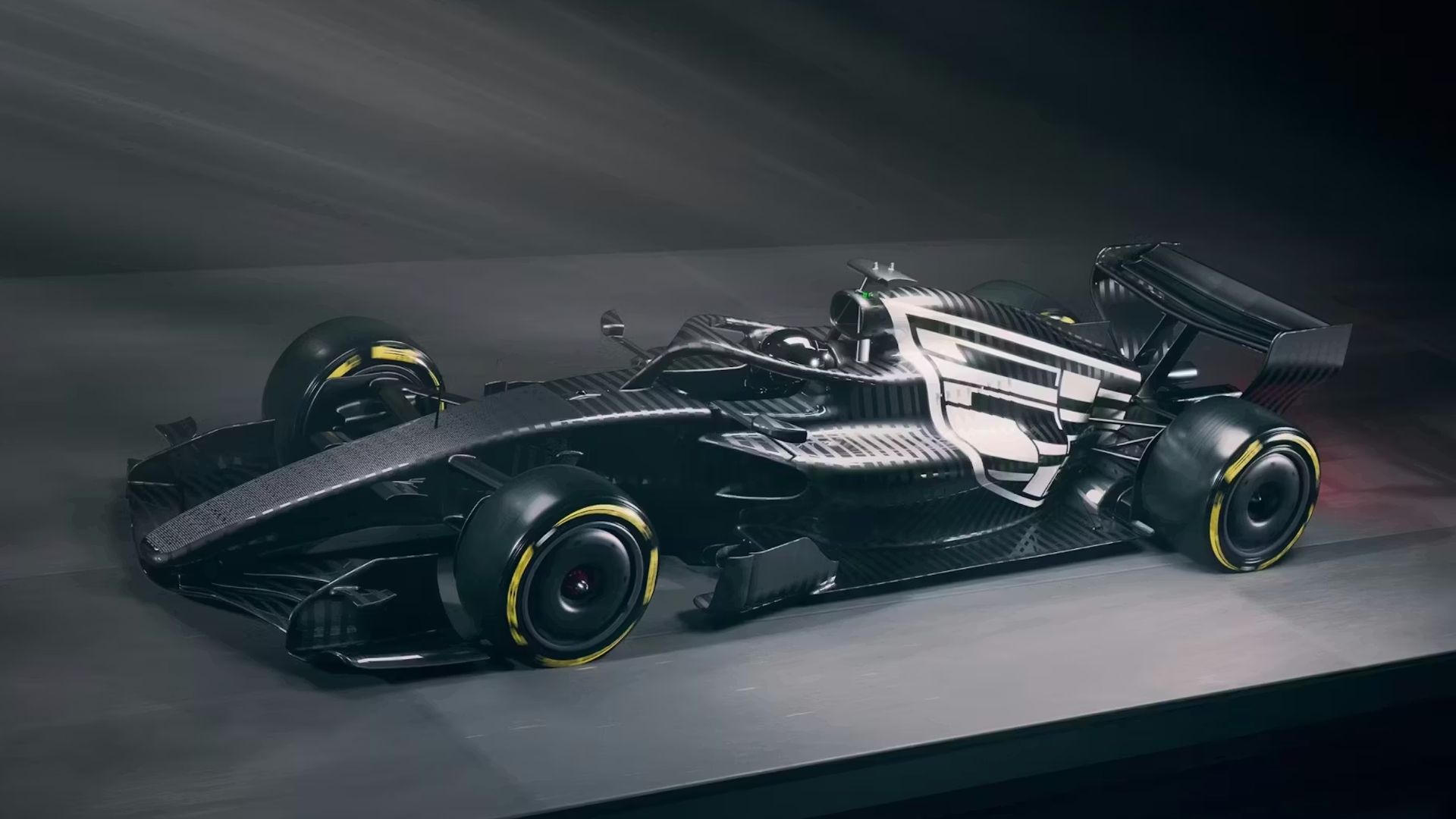
Cadillac’s long-anticipated Formula 1 arrival was supposed to signal a bold American push into the sport. Instead, just a handful of races into the season, the cracks are already showing—and Mario Andretti isn’t holding back. His assessment cuts straight through the optimism: the drivers aren’t sharp, the car isn’t ready, and the results reflect both.
For a team trying to establish credibility in the most competitive motorsport on the planet, that combination is more than a slow start. It’s a warning sign.
Drivers Playing Catch-Up in a Brutal Era
At the center of Andretti’s critique are Valtteri Bottas and Sergio Pérez—two experienced names who, on paper, should be stabilizing forces for a new team. Instead, both are dealing with a fundamental issue that Formula 1 rarely forgives: time away from the cockpit.
Bottas spent the previous season on the sidelines as a reserve driver, while Pérez has been out of full-time competition since losing his Red Bull seat at the end of 2025. That absence matters more than ever in today’s F1, where regulations shift rapidly and adaptability is everything.
Andretti’s takeaway is blunt. Both drivers are operating cautiously, not pushing the limits, and that hesitation is costing performance. In a midfield fight where tenths of a second separate success from elimination, that lack of sharpness becomes painfully visible.
So far, the numbers back it up. Cadillac’s best finish is 13th place, and the team hasn’t escaped Q1 in qualifying. That’s not just underwhelming—it’s a clear sign they’re not even in the fight yet.
The Car Isn’t Helping—It’s Holding Them Back
Even if Bottas and Pérez were at peak form, Cadillac would still have a serious problem. The car itself is lacking a critical ingredient: rear downforce.
That deficiency isn’t just a minor setup issue. Rear stability defines how aggressively a driver can attack corners, manage tire wear, and extract lap time. Without it, everything becomes a compromise. Drivers have to dial back their inputs, sacrificing speed just to keep the car under control.
Andretti pointed to consistent feedback from both drivers, highlighting that the issue is systemic rather than situational. When two experienced drivers report the same limitation, it’s not a driving style mismatch—it’s a design flaw.
And in Formula 1, fixing aerodynamic weaknesses mid-season is notoriously difficult. Development cycles are long, wind tunnel time is limited, and every upgrade has to compete with budget constraints and regulatory restrictions.
A New Engine Formula Adds Another Layer of Chaos
As if driver rust and aerodynamic shortcomings weren’t enough, Cadillac is also grappling with the complexities of a new power unit era. The 2026 regulations have fundamentally changed how energy is deployed, forcing drivers to rethink how they manage throttle input, battery usage, and overall race strategy.
This isn’t a plug-and-play adjustment. It requires relearning muscle memory built over years of racing under different systems. Timing energy deployment, keeping the battery charged, and optimizing power delivery are now just as important as braking points and cornering lines.
For drivers already struggling to regain their rhythm, this adds another layer of difficulty. Instead of pushing the limits, they’re still figuring out how to operate within them.
A Team Still Finding Its Identity
Cadillac isn’t just introducing a car—it’s building an entire Formula 1 operation from the ground up. That means new systems, new personnel, and a steep learning curve across every department.
Unlike established teams that can fall back on years of data and institutional knowledge, Cadillac is developing everything in real time. Mistakes aren’t just possible—they’re inevitable.
But the early signs suggest those growing pains are hitting harder than expected. When driver performance, car development, and operational experience all lag at once, progress slows dramatically.
Who Benefits From Cadillac’s Struggles?
In Formula 1, one team’s weakness is another’s opportunity. Cadillac’s inability to break into the midfield leaves more room for established teams to secure points and strengthen their positions.
For rivals, this isn’t just about beating a new entrant—it’s about maintaining control over a fiercely competitive grid. Every race Cadillac spends outside the points is one less threat to the existing order.
Meanwhile, for Cadillac, the risk is reputational as much as competitive. Entering F1 with high expectations only to struggle out of the gate can shape how the team is perceived for years.
The Bigger Picture for American F1 Ambitions
Cadillac’s struggles aren’t happening in isolation. They’re part of a broader narrative about American involvement in Formula 1 and whether new entrants can truly compete at the highest level.
The sport has become increasingly complex, with tighter regulations, higher costs, and razor-thin margins separating success from failure. Breaking into that ecosystem is harder than ever.
For fans and enthusiasts, this situation raises a bigger question: is Cadillac simply experiencing the normal growing pains of a new team, or is this an early sign that the challenge is even greater than anticipated?
What Happens Next Could Define Everything
Andretti’s comments aren’t just criticism—they’re a reality check. Cadillac still has time to turn things around, but the window for meaningful progress is already shrinking.
The drivers need to find their rhythm. The engineers need to unlock downforce. The team as a whole needs to accelerate its learning curve.
Because if these issues persist, Cadillac risks spending its debut season not building momentum—but trying to escape the back of the grid. And in Formula 1, climbing out of that position is far harder than falling into it.
https://www.gptoday.net/en/news/f1/294469/andretti-says-cadillac-s-drivers-are-rusty-and-the-car-is-not-ready
About the Author