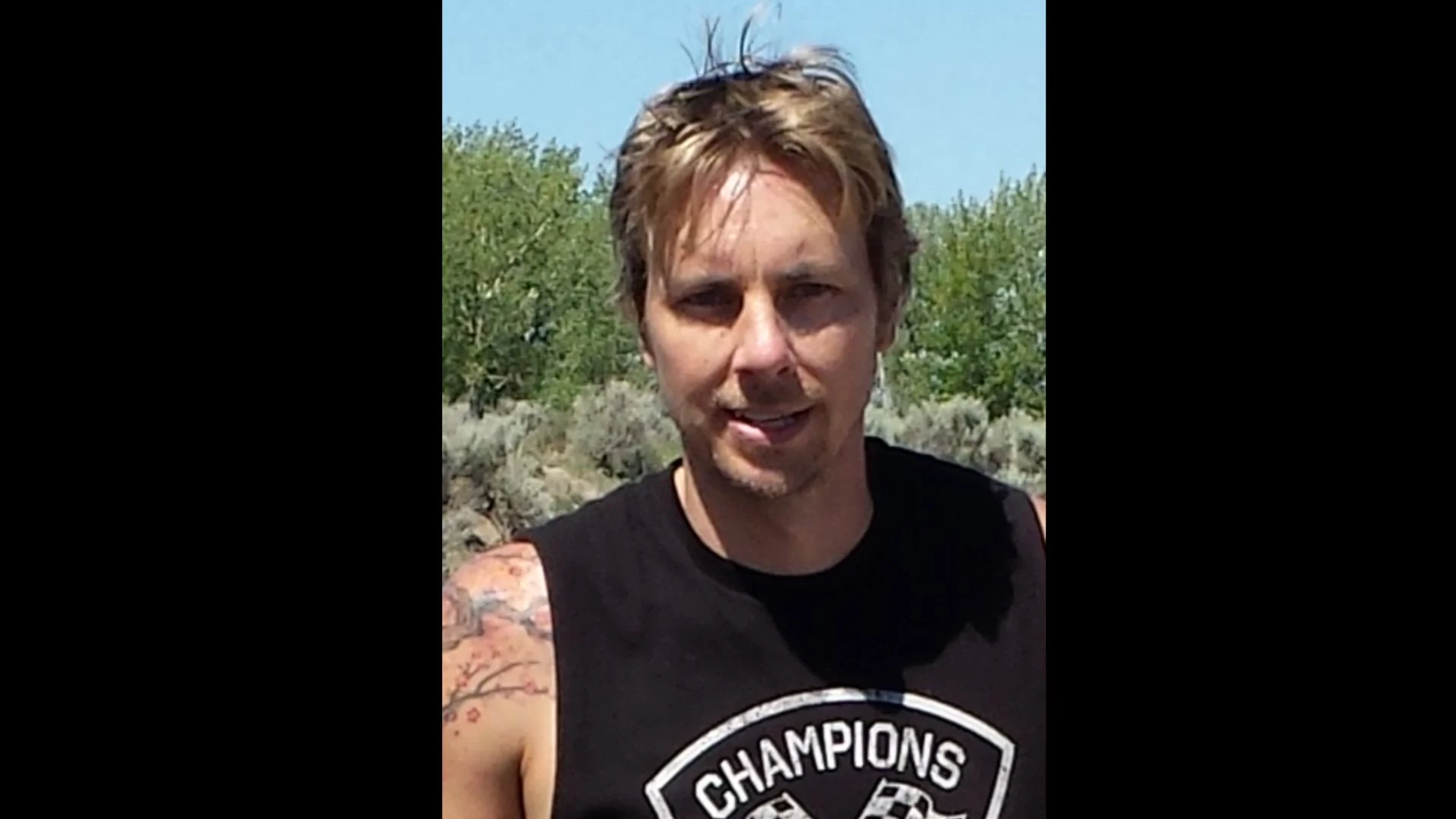
Dax Shepard isn’t telling this story for drama. He’s telling it because it almost killed him, and it easily could have. What started as a routine late-night highway drive ended with a car flipping down the interstate at 85 mph, completely out of control, with no warning systems and no last-second save, just momentum and bad decisions stacking up fast. That’s the part of the story people tend to overlook: it didn’t come out of nowhere.
Back when he was a teenager, Shepard wasn’t even behind the wheel. He was riding in the backseat, heading home from Ohio with a friend who was also still in high school. It was late, the kind of late where the brain starts shutting down whether a person wants it to or not, and that fatigue blended with the false sense of security that comes from a car holding a steady speed on its own. While Shepard drifted in and out of sleep, the person actually responsible for driving was fighting the same battle against exhaustion. The driver lost that fight.
The first sign something was wrong wasn’t subtle. Gravel started hitting the underside of the car, that sharp, unmistakable sound nobody ignores. Shepard woke up to it and looked forward. What he saw wasn’t someone correcting course or reacting to the noise. The driver was slumped over, completely out, at 85 mph. There’s no easing into a moment like that, no time to think through options. By the time Shepard processed what was happening, the car had already left its lane.
Pine trees lined the highway ahead, and for a split second, that looked like exactly where everything was going to end. He tried to react, but there wasn’t really anything left to grab onto. The car had already broken loose: tires weren’t gripping, steering input no longer mattered, and physics had taken over completely. The vehicle went sideways, then got worse. It lifted completely off the ground and started rolling. This wasn’t a clean spinout that ends harmlessly on the shoulder. The car flipped down the interstate, metal twisting, glass shattering, everything happening too fast to fully process. Shepard braced for the next impact, expecting it to be the one that finished things, with trees right there and the car moving at a speed that, under different circumstances, wouldn’t have been survivable.
Somehow, they missed them. That’s the part that still feels almost unreal. The car flipped, landed upside down, and came to a stop without slamming into anything solid enough to end their lives. No advanced safety technology stepped in to save them, no last-second heroic maneuver, just pure, undeserved luck. Both of them got out and walked away.
And that’s where it gets complicated, because it’s easy to file this away as a wild story with a lucky ending: two teenagers, a bad decision, and somehow they survive. But that framing misses the point entirely. Nothing about this situation was random. There was no mechanical failure, the car didn’t malfunction. This was fatigue, plain and simple, mixed with speed and a false sense of control. Cruise control can feel like a safety net. It holds speed, smooths out a long drive, and makes highway miles easier to cover. But it doesn’t keep a driver awake, and it doesn’t react when the brain shuts off. In some ways, it makes the danger worse, because it removes one more layer of active engagement. The driver doesn’t have to think about throttle input anymore, they just sit there, steady, until they aren’t, and when fatigue finally hits, it hits hard.
This kind of scenario isn’t rare. Drivers push through exhaustion constantly, especially on long highway runs, convincing themselves they’re fine and can make it just a little farther. The car feels stable, the road is straight, and nothing seems urgent, until it is. At highway speeds, there’s no buffer for a mistake like this. When control disappears, it’s instant, with no gradual warning and no gentle correction. One second everything is fine, and the next it isn’t.
For Shepard, the crash didn’t really end when the car stopped moving. That’s another piece of this that doesn’t get talked about enough: the mental fallout sticks around. For days afterward, he questioned whether he had actually survived, and that kind of shock doesn’t just disappear because someone walked away physically intact. It changes how a person looks at things afterward.
Car enthusiasts talk a lot about control, about the connection between driver and machine, and that connection is real, it’s part of what makes driving meaningful in the first place. But that connection only exists when the driver is actually present. The second fatigue takes over, that control is gone, no matter how good the car is or how smooth the road feels. Speed isn’t the villain in this story. Neither is the car. The problem is the moment responsibility slips, the moment a driver decides they’re okay to keep going when they’re not, the moment cruise control becomes a crutch instead of a tool.
This crash didn’t have to happen. It followed a very predictable chain: late night, long drive, tired driver, steady speed, no intervention. It’s a pattern that repeats itself constantly on highways, and not everyone gets the same ending Shepard did. He walked away from it. A lot of people don’t. That’s the part that should stick.
Source
About the Author