A high-speed chase that pushed past 130 mph didn’t end with flashing lights and handcuffs — it ended with a Ford Mustang sitting in police custody and a warning that’s turning heads across the car community. The driver may have escaped in the moment, but the car didn’t, and authorities are now making it clear that if the owner doesn’t step forward, that Mustang could end up wearing a badge.
The Chase That Didn’t End on the Road
According to authorities in Thurston County, Washington, the incident began when deputies spotted a Ford Mustang GT traveling at high speed. When officers attempted a traffic stop, the driver didn’t comply and instead accelerated, reportedly reaching speeds of up to 130 mph. At that point, law enforcement made a call that’s becoming more common in modern policing: rather than continue a dangerous pursuit that could put other drivers at risk, deputies backed off. Ending the chase wasn’t about letting the driver win, it was about preventing an already dangerous situation from escalating into something far worse. But the story didn’t stop when the chase did.
How Police Tracked the Mustang Down Anyway
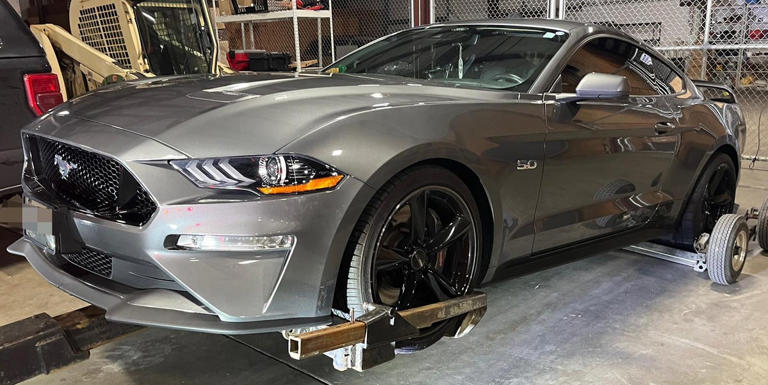
Even without a prolonged pursuit, officers were still able to identify and locate the vehicle. The Mustang was eventually tracked to a residence in DuPont, roughly an hour south of Seattle. Deputies went directly to the home and attempted to make contact with the owner, but that effort went nowhere — according to the sheriff, no one answered the door. Instead of walking away, authorities escalated the situation and seized the Mustang outright, effectively turning the tables on a driver who had initially managed to avoid any immediate consequences. It’s a move that sends a clear message: outrunning a traffic stop doesn’t mean you’re actually in the clear.
The Ultimatum That Sparked Attention
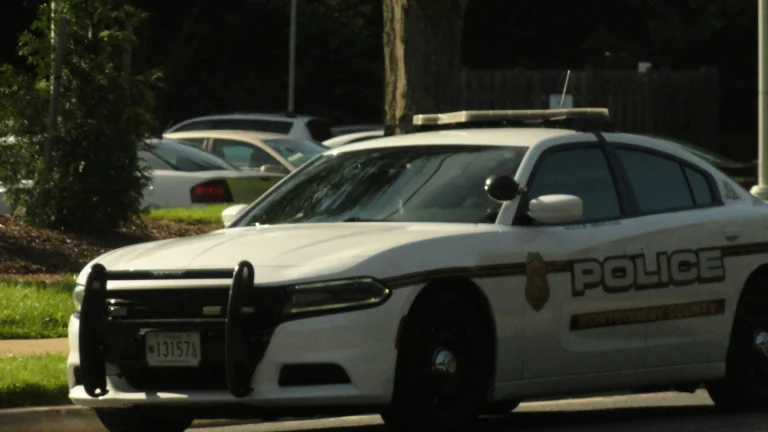
What really pushed this story into the spotlight wasn’t the seizure itself, it was what came next. The sheriff publicly issued an ultimatum, making clear the owner has a chance to reclaim the vehicle. But there’s a catch: if the owner doesn’t step forward, the department has indicated the Mustang could be repurposed for official use. That suggestion wasn’t framed as a joke — when asked what would happen if the car went unclaimed, authorities pointed to an existing example of a Mustang already outfitted in police livery, signaling this isn’t an empty threat. For enthusiasts, that’s where the story takes its strangest turn: a performance car built for speed and driver enjoyment could end up enforcing the very laws it was used to break.
Why This Matters Beyond One Car
It’s easy to laugh at the irony of a Mustang potentially becoming a patrol car, but the bigger issue underneath it is serious. Families, commuters, and other drivers become part of the risk the moment someone decides public roads are their personal racetrack, whether they signed up for that risk or not. In this case, law enforcement chose to disengage rather than escalate a dangerous pursuit, a decision that likely prevented a far worse outcome. That approach reflects a broader shift in how police departments handle pursuits generally, especially once speeds climb into territory where control becomes genuinely unpredictable for everyone involved.
The Consequences Drivers Don’t Think About
For car enthusiasts, this situation hits close to home. Performance cars like the Mustang GT are built to deliver speed, power, and genuine excitement, but using that performance irresponsibly doesn’t just risk a ticket, it can lead to losing the car outright. What stands out in this case is how the consequences unfolded after the fact. The driver avoided being stopped in the moment, but that didn’t mean the situation was actually over — authorities followed up, located the vehicle, and took action with potentially lasting implications. That’s a reality a lot of drivers overlook: the immediate thrill of escaping a traffic stop can quickly be replaced by losing the car and turning what should have been a normal drive into a genuine legal mess. When speeds hit 130 mph, the risks stop being theoretical. They become immediate, and they affect everyone else sharing that road. At the same time, the way this situation was handled shows enforcement itself is evolving — police don’t always need to win the chase in the moment to win the outcome later.
What Happens Next
The fate of this Mustang now depends entirely on whether the owner comes forward. If they do, there’s a path to reclaiming the car, though it’s unlikely to be simple. If they don’t, the idea of the vehicle joining a police fleet becomes very real. That possibility is what makes this story stick — it isn’t just about a chase or a seized car, it’s about how quickly control can shift from driver to authority. It raises a bigger question for anyone behind the wheel of a performance car: when the line gets crossed, are you just risking a ticket, or are you risking everything that comes with the car itself?
About the Author