What starts as a dream build usually ends with a first drive. That’s the expectation. You hand over your car, write a check, wait it out, and eventually get back something better than what you dropped off. That’s not what happened here. Not even close.
In Sevier County, a growing number of car owners say they trusted a restoration shop with their classic vehicles and their money, only to end up chasing both. Now the man behind that shop, Corey Miller, is facing felony charges, and the situation is getting bigger by the week.
A 1965 Mustang GT Returned in Pieces
Several car owners showed up at the courthouse and shared what they say happened. These aren’t small jobs or minor complaints. These are full restorations on classic Mustangs, cars that carry real value both financially and emotionally.
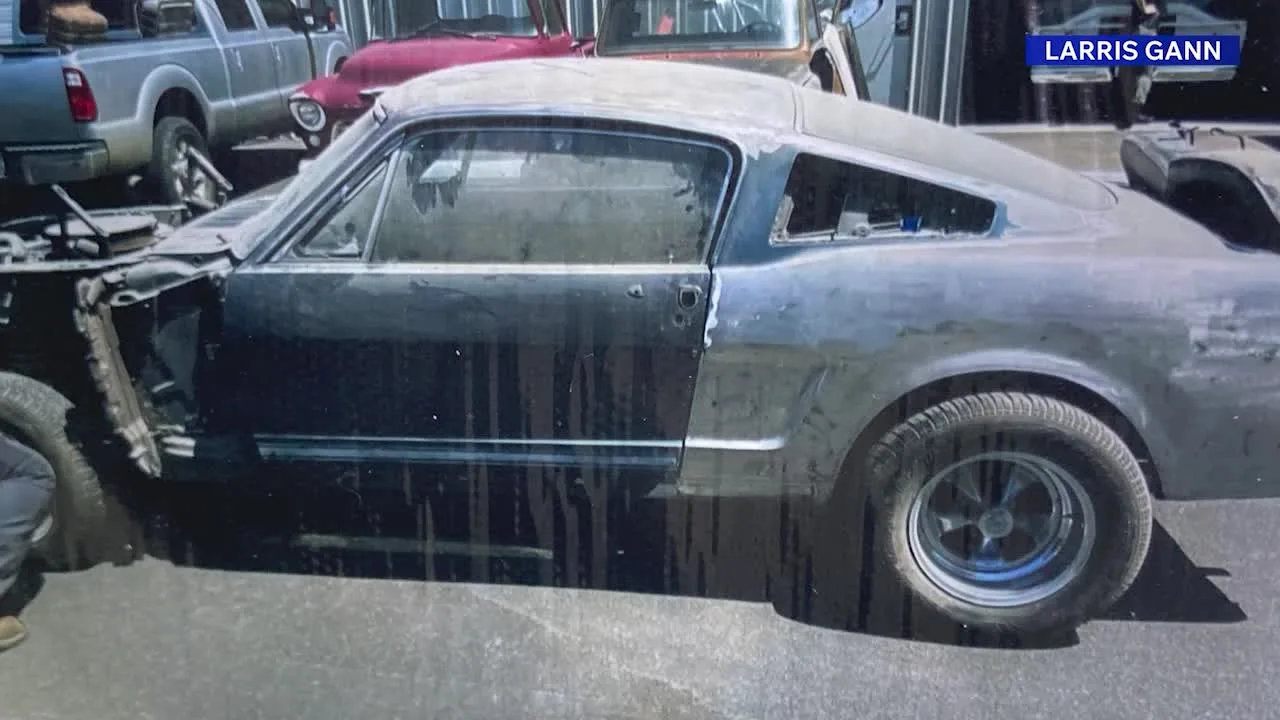
Take Larris Gann’s 1965 Mustang GT. He dropped it off in March 2023, expecting a full restoration. The plan was simple: pay for parts, pay for labor, and get the car back looking new. Over time, he paid more than $17,000 upfront, with the total project expected to reach $31,000.
Then came the waiting. Months turned into more than a year. The car sat for 23 months. During that time, Gann says the shop moved locations without telling him. Communication didn’t improve, and eventually, he pushed to get the car back. That’s where things change. When Gann finally recovered his Mustang in February 2025, it wasn’t restored. It was torn apart. The car he had entrusted to be rebuilt was returned in pieces, far from the finished product he had paid for.
He’s Not the Only One
And he’s not the only one. John Twardzik says he sent his 1966 Mustang Fastback GT to the same shop in July 2024. He paid $22,000 for restoration work. At first, things seemed normal. Communication was steady for about six months. Then it started to slip. Excuses began to pile up. Meetings were missed. Updates became vague. Eventually, contact faded to the point where Twardzik says he doesn’t even know where his car is or what condition it’s in.
Kevin Bickley says he left his 1969 Mach 1 Mustang at the shop back in 2020. He paid more than $24,000. After waiting more than two years, he finally got the car back, but not in one piece. Parts were missing. The project wasn’t finished. The car was far from what he expected after that kind of time and money.
And this pattern keeps showing up. Cars sitting for years. Payments made upfront. Communication fading. Vehicles returned incomplete or not returned at all. It’s the kind of situation that turns a passion project into a financial loss, and for some owners, something worse. Because these aren’t just cars. For a lot of people, especially with classics like Mustangs, there’s history tied up in them: family connections, long-term projects, something they planned to keep for life. Losing control of that, even temporarily, hits differently than a typical transaction gone wrong.
That’s Where It Gets Complicated
Because now it’s not just about unfinished work. It’s about missing vehicles, missing parts, and money that doesn’t seem to line up with what was promised. And when multiple people start telling the same story, it stops looking like a one-off problem.
Five Felony Counts and a Case Still Growing
The legal side reflects that shift. A Sevier County Grand Jury indicted Miller on five counts tied to unlawfully controlling property belonging to multiple people. The charges stem from incidents involving at least three different victims, all tied to vehicles that were supposed to be restored. He was arrested in October 2023 on felony theft charges. Since then, the case has dragged on, with delays stretching out over more than a year and a half.
In court, the divide between both sides is clear. Prosecutors argue the case is still unfolding, with new victims potentially adding more weight to the charges. Miller’s defense, on the other hand, claims this should be handled as a civil matter, not a criminal one.
But here’s the part that matters. This isn’t just about paperwork or legal definitions. It’s about what people handed over and what they got back.
Civil Judgments Are Piling Up Too
Court records show that beyond the criminal case, multiple civil lawsuits have already been filed against Miller. Several of those cases were decided in favor of the plaintiffs, totaling more than $200,000. In those situations, records indicate Miller did not appear in court to defend himself. That adds another layer to the situation, because now it’s not just about what happened inside the shop. It’s about what happened after: missed court appearances, judgments piling up, and a growing list of people trying to recover losses.
What Happens Next
Back in the courtroom, the latest hearing didn’t bring resolution. Miller was present but did not stand before the judge. Instead, the case was pushed forward, with a new status hearing set for mid-July. The judge has indicated a desire to move toward trial, with a target set for mid-November. That leaves a lot of time for more details to surface, and based on what prosecutors are saying, more people may still come forward.
At the center of it all is a simple idea that went wrong. People trusted a shop to restore their cars. They paid for that work. They waited. And in many cases, they say they didn’t get what they were promised. That’s the reality sitting in this case right now.
About the Author