The auto industry loves to brag that it sells engineering and heritage. Then it hands the mic to a viral stunt that turns a million-dollar machine into a prop. That credibility hole? Self-inflicted.
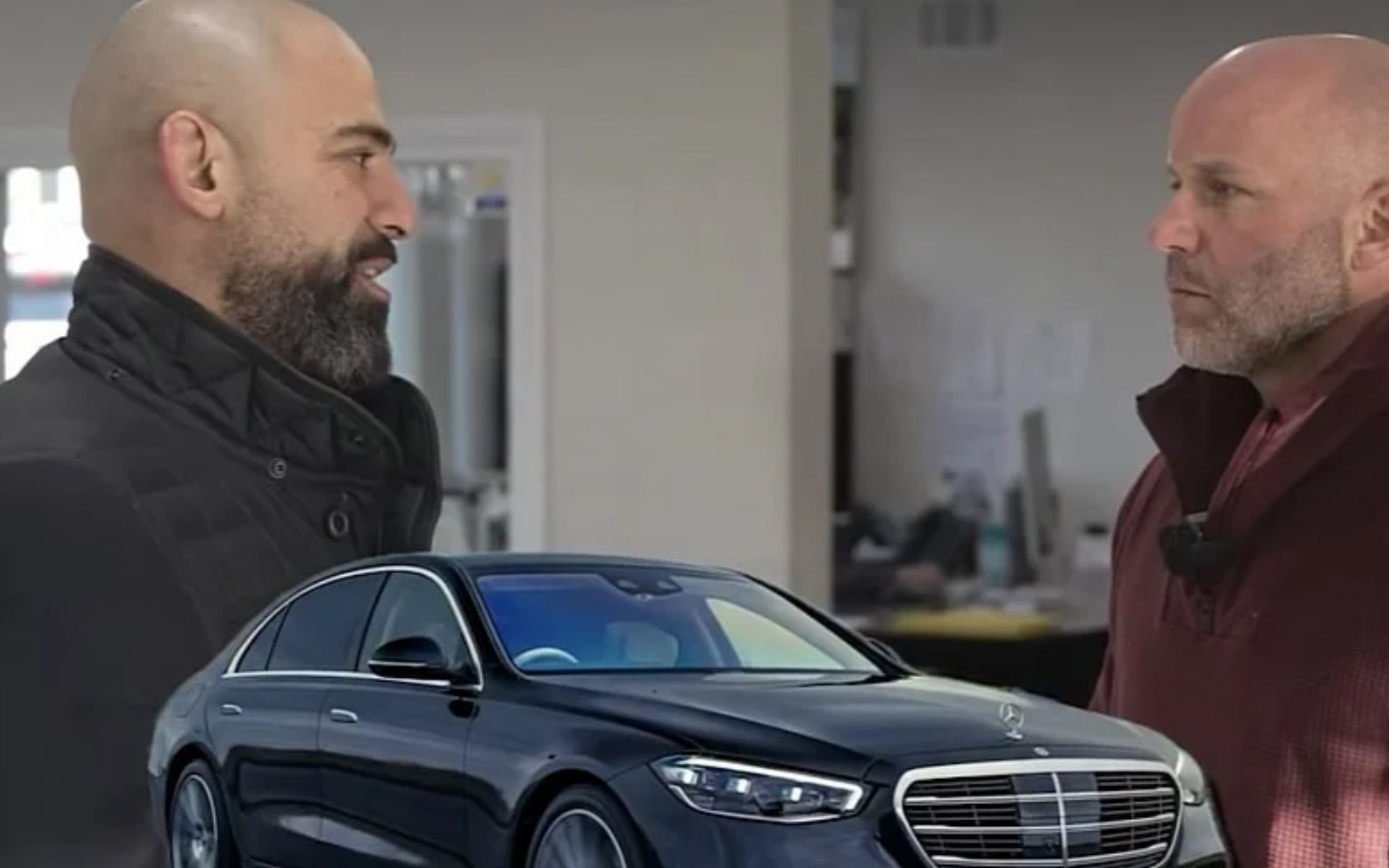
Social media personality Tank Sinatra strolled into an exotic dealership run by George J. Saliba and asked for the priciest thing on the floor. Out came a Lamborghini Aventador SVJ Roadster, roughly $1 million of V12 built for performance — 759 horsepower, 0–60 in under three seconds, north of 217 mph. None of that was the point. The bit was. Confusion, exaggeration, mugging for the camera.
Next up: a Porsche 911 GT3 RS, another serious weapon with a 518-horsepower flat-six and near-supercar pace. Again, played for laughs, not substance.
The video hit Facebook and blurred the line between sale and skit. Toss in “package” upsells and filming fees, and the showroom stopped being a dealership and started being a set chasing clicks.
Here’s the uncomfortable part: the industry built this trap itself. Brands spend decades selling precision and performance, then let a meme gut that reputation in ninety seconds. Cars capable of genuinely dangerous speed get reduced to punchlines — no context, no risk, no responsibility.
Tank Sinatra — real name George Resch — built his following on meme culture and online content, with millions of followers and an openness about his recovery from alcohol abuse. The persona kills online. Drop it inside a dealership and a serious purchase turns into a content factory.
So the brands invited this. They picked virality over credibility, spectacle over substance. And once your supercar is just a setup for a joke, you’ve handed away the authority you spent decades building — then you’re stuck trying to sell heritage and safety in a circus you helped pitch.
About the Author