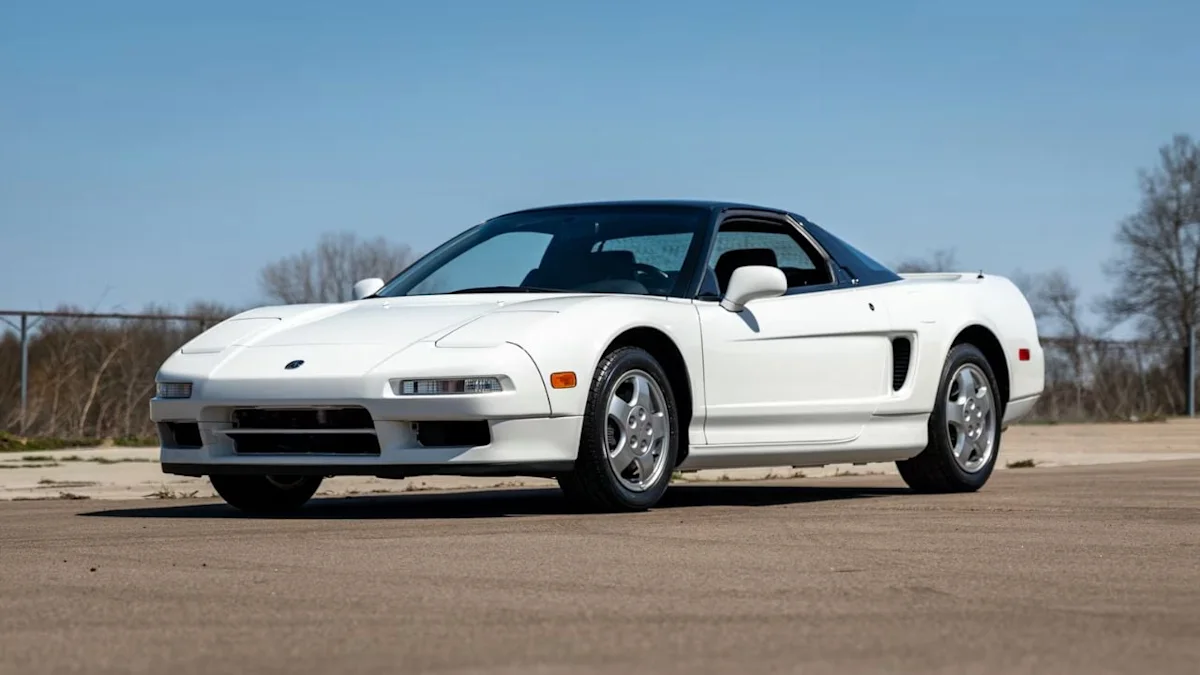
A 1993 Acura NSX is heading to auction at Mecum Indy, and it’s landing at a moment when cars like this don’t stay available for long. Interest in early Japanese performance machines has been building for years, but now it’s starting to feel like a shift, not just a trend. Prices are moving, collectors are paying attention, and the cars that used to sit quietly in the background are getting pulled into the spotlight. This NSX fits right into that moment, maybe a little too perfectly.
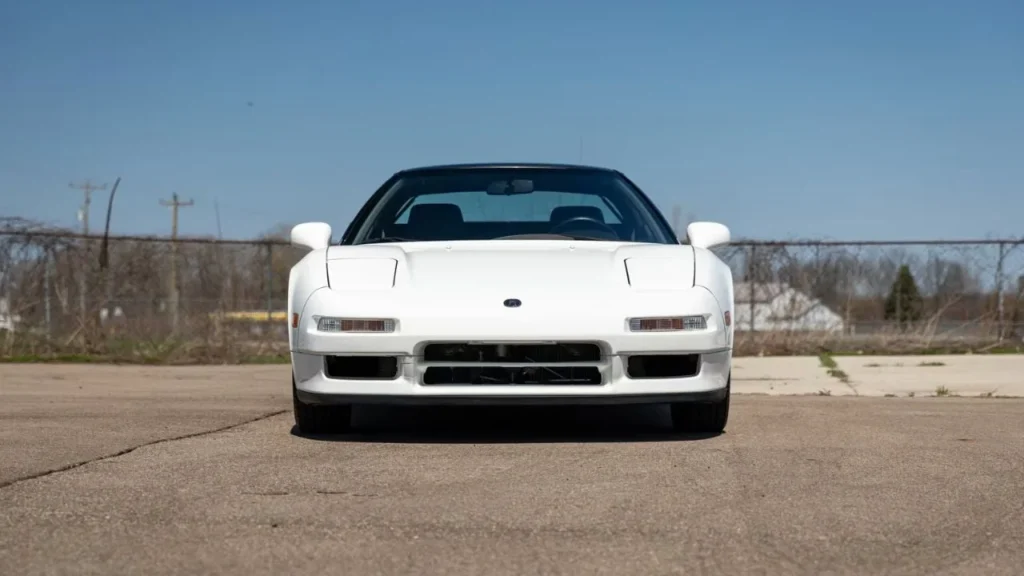
A First-Generation Car in Its Purest Form
The car is scheduled to cross the block on Saturday, May 16th, and on paper, it checks every box people are chasing right now. It’s a first-generation model from 1993, which puts it squarely in the early run when the car still felt raw in the best way. It’s powered by the original 3.0-liter V6, paired with a manual transmission, and built using that now-famous aluminum construction. Nothing flashy, nothing modern, just the core formula that made the NSX matter in the first place. That’s the surface level. The real story goes deeper.
Why the NSX Forced the Industry to Reset
When the NSX showed up in 1990, it didn’t just join the supercar conversation, it forced a reset. At the time, exotic cars were fast, but they weren’t exactly easy to live with. Reliability was questionable, build quality could be inconsistent, and comfort wasn’t a priority. The NSX changed that balance by delivering performance that could stand next to European rivals while also being something you could actually drive every day without thinking twice. And that’s where things change.
Honda didn’t take shortcuts with this car. The NSX featured an all-aluminum monocoque, something that hadn’t been done before in a production vehicle at this level. That decision wasn’t just about weight savings, though it helped. It also improved rigidity and gave the car a different kind of feel on the road. Combined with the mid-mounted V6 and precise engineering, it created a package that felt focused but not punishing.
Senna’s Fingerprints on the Chassis
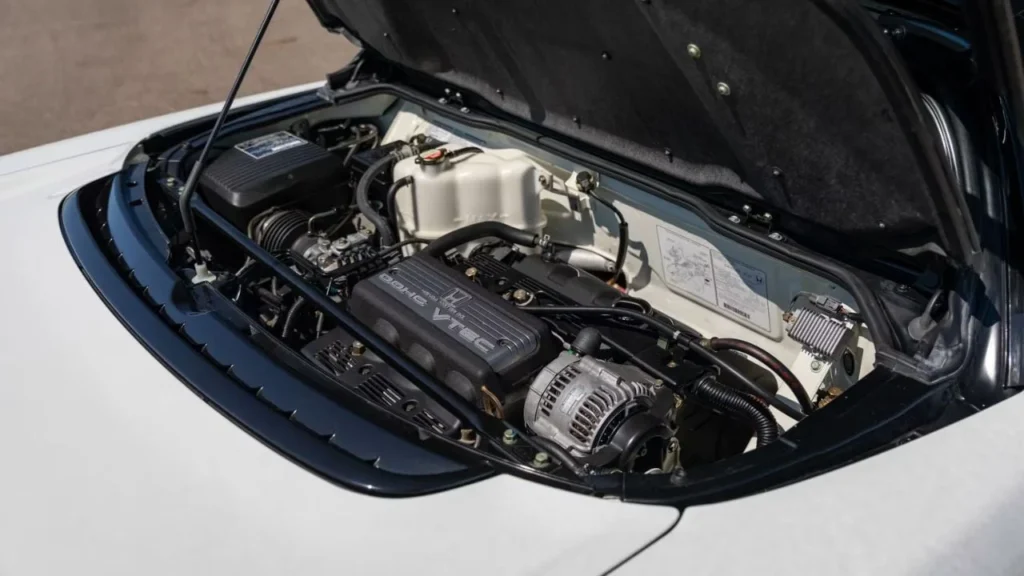
The engine itself is part of the appeal. A 3.0-liter DOHC V6 with VTEC, putting out around 270 horsepower in manual form. By today’s standards, that number doesn’t sound huge, but numbers don’t tell the whole story here. The way the power is delivered, the way the car responds, it all adds up to something that feels more connected than a lot of newer machines. Performance was right where it needed to be for the era: zero to 60 miles per hour in just under six seconds, with stable high-speed behavior that made it usable beyond short bursts. But it wasn’t just about speed. The NSX was built to be driven.
The development process included input from Ayrton Senna, and that’s not just a footnote. His involvement in refining the chassis helped shape the way the car handles, particularly in terms of balance and feedback. Testing at circuits like Suzuka and the Nürburgring wasn’t just for marketing. It translated directly into how the car feels when you’re behind the wheel. Over time, that reputation stuck.
Why Early NSX Values Are Climbing
Now fast forward to today, and the collector market is catching up to what enthusiasts have known for years. Early NSX models are getting harder to ignore. Originally priced around $60,000, they undercut European competitors while offering something arguably more complete. That gap between perception and reality is closing, and it’s pushing demand higher. This 1993 example sits right in the sweet spot.
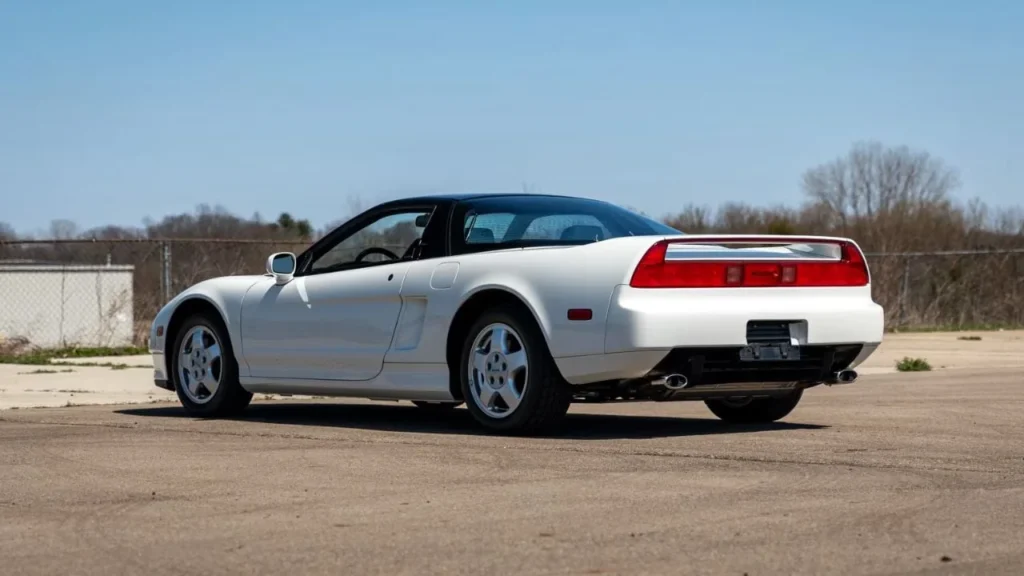
Collectors tend to favor the earlier cars for a few reasons. They’re lighter, they have the original design details like pop-up headlights, and they offer a more analog driving experience: hydraulic steering, manual gearbox, naturally aspirated engine. No layers of electronics getting in the way. Just a direct connection between driver and machine. And that’s where it gets complicated. Modern performance cars are faster in every measurable way. There’s no argument there. But speed isn’t the only thing people care about anymore. There’s a growing group of buyers looking for something that feels real, something that requires input and rewards skill. The NSX delivers that without being difficult or unreliable, which is a rare combination.
Honda’s Own Support Is Fueling the Market
The Mecum listing highlights exactly those qualities. It places this car in a segment that’s getting more competitive by the year. Early Japanese performance icons are now being compared directly with European exotics from the same era, not as alternatives, but as equals. In some cases, they’re even being preferred.
There’s also a bigger shift happening behind the scenes. Honda’s decision to launch a heritage parts program for first-generation NSX models signals that the company understands what it has. Keeping parts available makes ownership more viable long-term, and it’s a rare case of a manufacturer actively supporting a car this old. So now you’ve got a car with historical importance, solid engineering, and growing support from the manufacturer. That combination doesn’t stay undervalued forever.
This particular NSX isn’t trying to reinvent anything. It doesn’t need to. It represents a moment when the industry took a step forward, when a new approach challenged the old way of doing things and actually worked. That kind of impact doesn’t fade. As it heads to auction, the question isn’t whether it will get attention. It will. The real question is how far that attention translates into bidding. Because right now, cars like this aren’t just being appreciated. They’re being chased.
About the Author