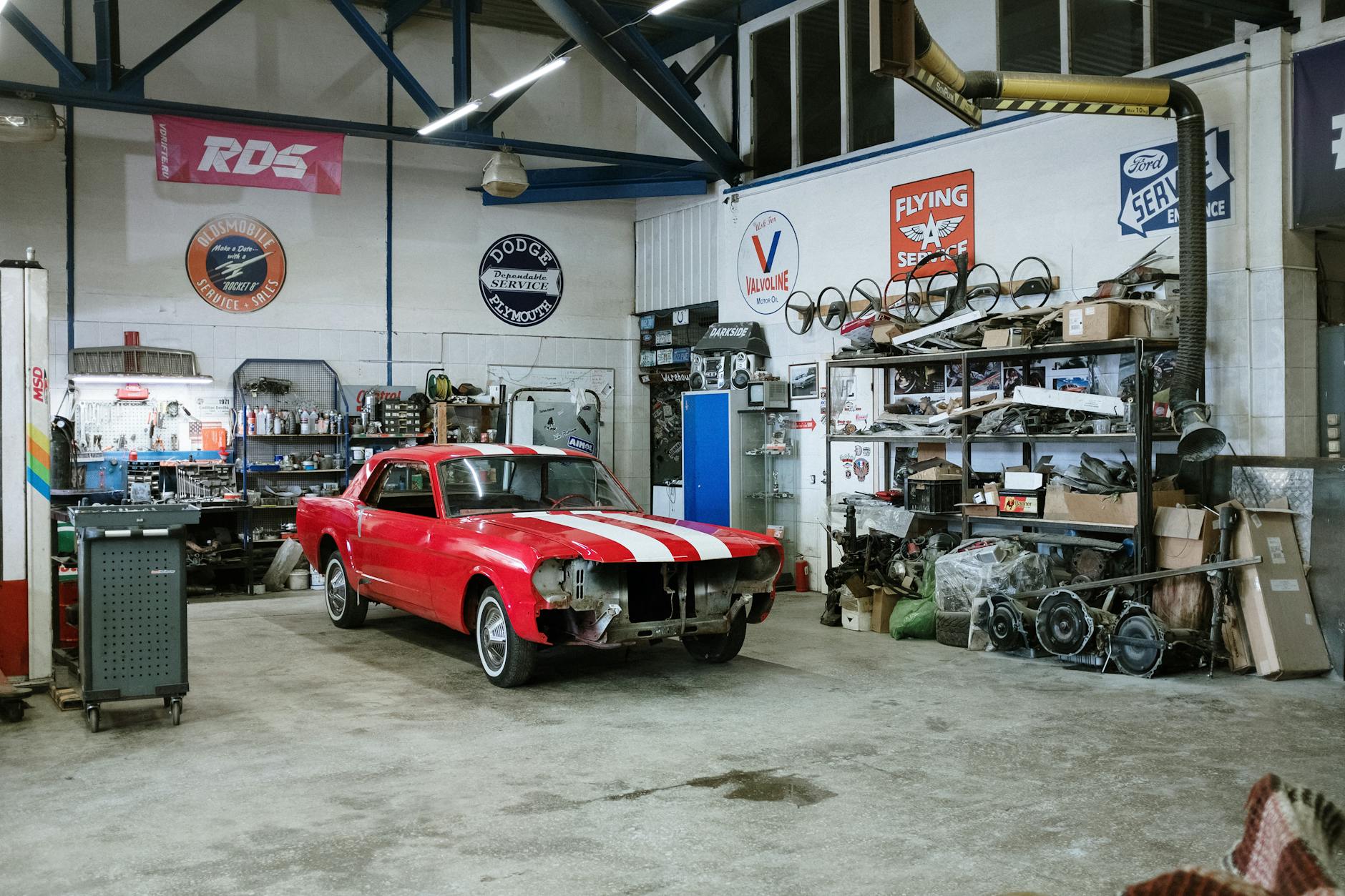
Photo by cottonbro studio on <a href="https://www.pexels.com/photo/red-and-white-vintage-car-parked-in-front-of-blue-and-white-food-stall-4480505/" rel="nofollow">Pexels.com</a>
A Texas restoration shop owner is heading to prison for 60 years after defrauding dozens of classic car owners out of nearly half a million dollars, a sentence that stands out even in a hobby that’s seen its share of shady shops.
How the Scheme Worked
Richard Thomas Finley ran Classic American Street Rods in the San Leon-Bacliff area of Galveston County, marketing the shop as a go-to spot for classic-car engine conversions, swapping aging powerplants for newer, more reliable units. That’s a genuinely appealing pitch for owners of vintage muscle cars and street rods who want modern reliability without giving up the classic look. Customers were asked for substantial deposits before work began, which isn’t unusual in a business where parts and labor routinely run into the tens of thousands of dollars.
What happened after those deposits came in, according to prosecutors, was not normal at all. Customers described long delays, thin communication, and a steady stream of excuses as months, and in some cases years, passed with no meaningful progress. When customers pushed for answers, authorities allege Finley misrepresented where their projects actually stood. Trial evidence reportedly went further than simple non-performance, indicating that parts were stripped from customer vehicles and sold off rather than used on the promised engine swaps. Every victim who testified said the work they paid for was never delivered.
A Five-Year Operation Unravels
Mounting complaints eventually drew in the Galveston County Sheriff’s Office and the county’s Auto Crimes Task Force, who pieced together a scheme prosecutors say ran for roughly five years and touched dozens of customers. Investigators ultimately recovered more than 20 classic vehicles and returned them to their owners, though court findings put the total money taken at more than $498,000 across at least 72 defrauded customers. Finley was found guilty in December on a felony theft charge exceeding $300,000, and the 60-year sentence followed.
Why the Sentence Is So Unusual
Sixty years is a striking number for this kind of case. For comparison, a New York shop owner received just two years in November for a scheme involving misrepresented work and faked acquisitions, despite that case involving more than $2.5 million in losses, over five times the money in the Texas case. The difference came down to victim count: that New York case involved only three identified victims, while Finley’s involved 72. Courts appear willing to weigh the breadth of harm, how many people were affected and for how long, just as heavily as the raw dollar figure when handing down sentences.
The overwhelming majority of restoration and custom shops operate honestly, and transparent shops that deliver on their promises remain the backbone of the hobby. But cases like this one erode trust across the entire community, since classic car projects often represent years of saving and a genuine emotional investment, not just a financial transaction. A 60-year sentence won’t return the lost time or money to Finley’s 72 victims, but it does send a clear signal to the rest of the industry: defrauding dozens of customers isn’t going to be treated as a business dispute. It’s a criminal enterprise, and courts are starting to sentence it like one.
About the Author