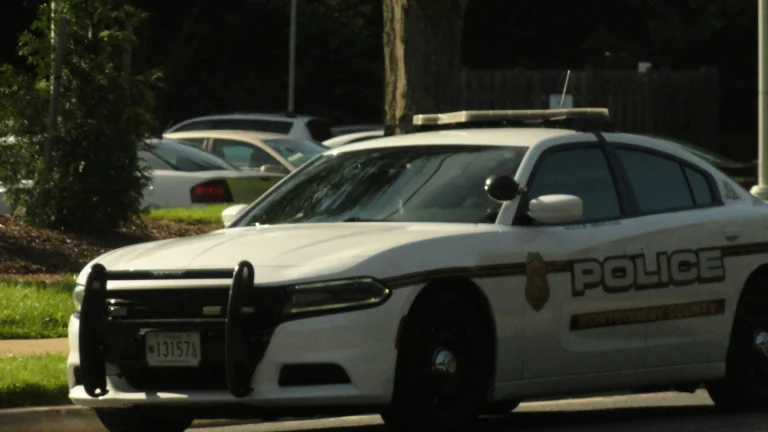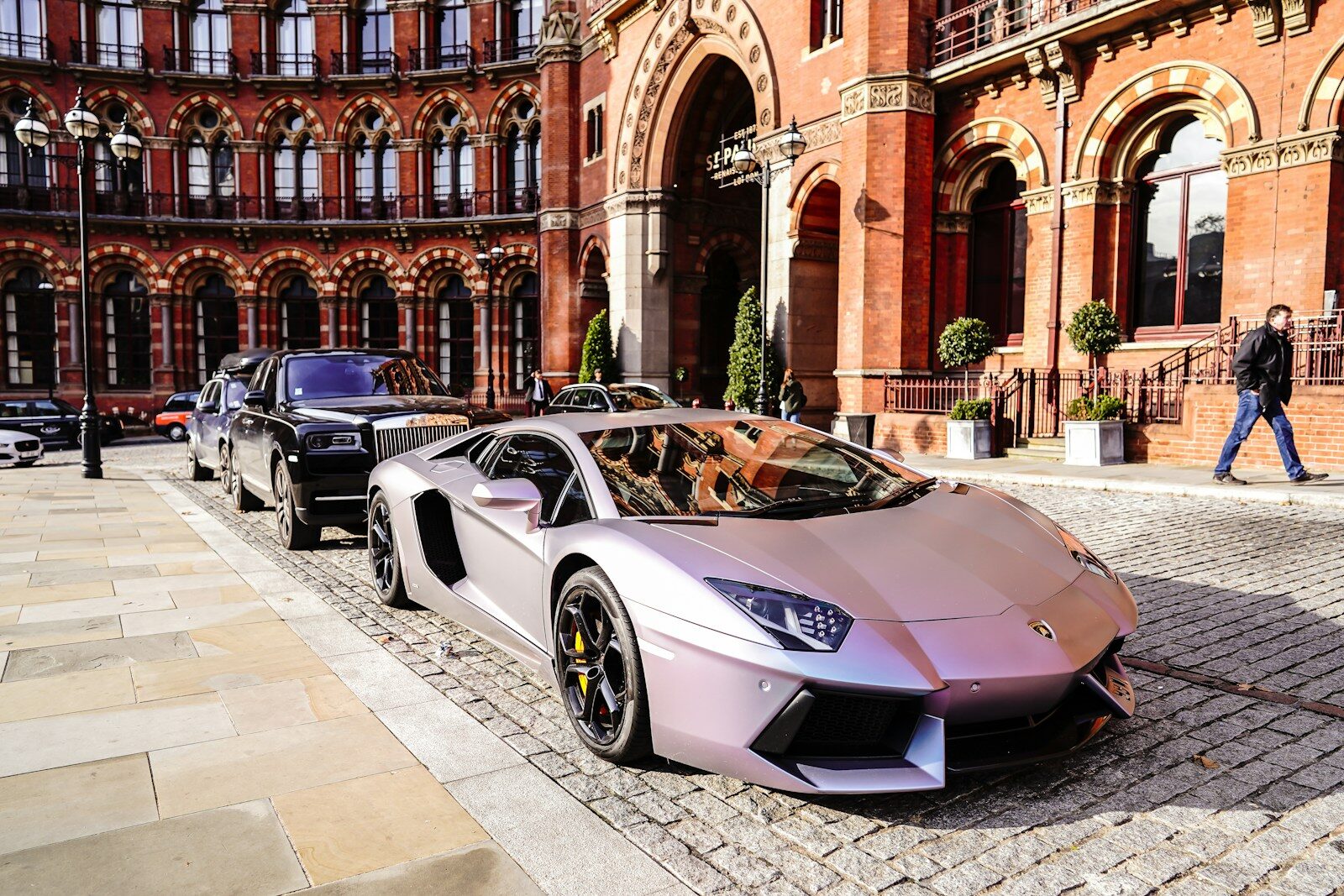
A Pennsylvania investigation has exposed a sophisticated luxury car theft operation that didn’t just steal vehicles — it gave them entirely new identities. Authorities say one man helped turn stolen Ferraris, BMWs, and Cadillacs into seemingly legitimate purchases, allowing them to circulate back into the market completely undetected. The scheme, dubbed “Operation Hot Wheels,” centers on a single figure accused of abusing his official position to push dozens of stolen cars back into circulation, and while one arrest has been made, the broader implications for buyers, enthusiasts, and the wider marketplace are only beginning to surface.
Two Kinds of Buyers Caught in the Same Scheme
What makes this case especially troubling is the mix of buyers allegedly involved. Some of the vehicles were sold to unsuspecting individuals through platforms like Facebook Marketplace — people who genuinely believed they were scoring legitimate deals on premium vehicles. Others, though, were reportedly actively seeking out stolen cars that had already been “cleaned” through title washing, showing that real demand exists on both sides of this equation: honest buyers who got fooled, and willing participants who knew exactly what they were purchasing. That dual market is part of what allowed the operation to keep running as long as it apparently did. Nearly 40 vehicles have been recovered so far, but that still leaves a significant number unaccounted for, and for buyers who unknowingly purchased one of these cars, the consequences could be severe, potentially including losing both the vehicle itself and every dollar spent on it.
The Insider Who Allegedly Made It Possible
At the center of the operation is Adam Richardson, a 40-year-old authorized PennDOT tag agent linked to Richardson Family Enterprises, LLC. According to investigators, Richardson issued 65 fraudulent titles tied to stolen vehicles over roughly a year, effectively laundering their identities so they could be resold without raising immediate suspicion. Once a stolen vehicle is assigned a clean title through this kind of process, tracing it back to its true origin becomes dramatically harder, which is exactly what made this operation so effective for as long as it ran. Authorities traced dozens of stolen luxury vehicles back to the same title company operating in Philadelphia and Bucks County. These weren’t economy cars quietly disappearing off the street — they were high-dollar machines, with the total value of recovered and linked vehicles exceeding $3.8 million.
As an authorized tag agent, Richardson had legitimate access to the exact tools needed to process vehicle titles, and investigators say he used that authority to generate fraudulent documentation for dozens of people. He allegedly became known in certain circles as the go-to person for cleaning titles, charging fees to legitimize stolen vehicles on request. That kind of reputation doesn’t build overnight, which suggests a broader network of participants who understood exactly what they were getting into. Richardson now faces multiple felony charges, including corrupt organizations, forgery, and title-washing-related offenses, and he has been denied bail — a signal of how seriously authorities are treating the scope of the case.
Why This Hits Enthusiasts Directly
For enthusiasts, this isn’t just another crime story sitting at arm’s length — it’s a direct hit to the integrity of the automotive marketplace itself. Title washing undermines trust precisely where buyers have the least ability to protect themselves: private sales, where people rely almost entirely on paperwork and vehicle history reports to confirm they’re buying something legitimate. Luxury and performance vehicles are already prime targets for theft because of their value and demand, and when those same vehicles can be reintroduced into the market carrying clean titles, it creates a ripple effect that makes every private transaction riskier, not just the ones directly tied to this case. It also raises a serious oversight question: if one authorized agent could process dozens of fraudulent titles without being caught for roughly a year, it suggests vulnerabilities in the system that could just as easily be exploited somewhere else.
Facebook Marketplace and the Speed Problem
This case highlights a growing intersection between digital marketplaces and organized vehicle crime. Platforms like Facebook Marketplace make it easier than ever to move vehicles quickly, often with minimal verification built into the process. That speed is genuinely useful for legitimate sellers, but it also creates an opening bad actors can exploit at scale. Combine that with rising car values, especially in the luxury and performance segments, and insider access to title systems, and you get a formula that’s genuinely difficult to catch until significant financial damage has already been done to real buyers.
What Happens Next
Law enforcement has made clear the investigation remains ongoing, and Richardson’s arrest may not be the last one tied to this case. If additional participants are identified, the scheme could expand into a considerably larger network than what’s currently known. With millions of dollars in vehicles tied to the operation and dozens of buyers potentially affected, the legal and financial fallout from Operation Hot Wheels is far from finished. More importantly, the case raises a question that extends well beyond Pennsylvania: how many other title-washing operations are currently slipping through unnoticed elsewhere? For now, one thing is clear — when stolen cars can be turned into “legitimate” vehicles with the right insider connections, the entire title system carries real risk, and until those gaps get closed, both enthusiasts and everyday buyers remain exposed.
About the Author