It started with a Cybertruck and a stretch of road most locals know well. By the time it ended, flashing lights, body cameras, and a familiar last name had turned a routine traffic stop into something bigger. And honestly, that’s where things change.
A Speeding Stop That Escalated Fast
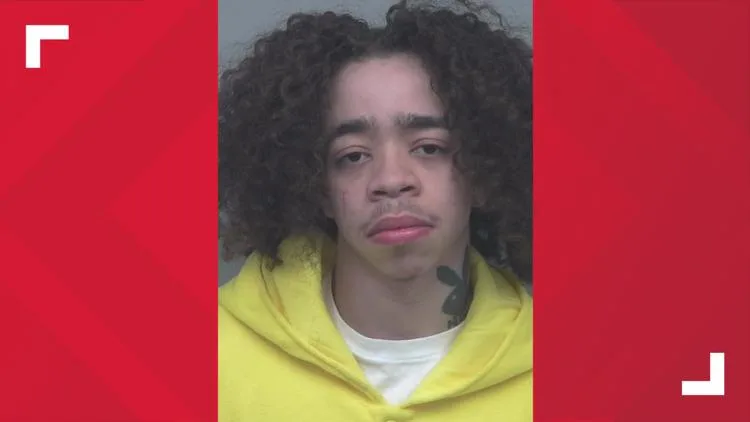
Police in Gwinnett County, Georgia say the situation unfolded on April 12 near Holcomb Bridge Road and Peachtree Corners Circle. A Tesla Cybertruck wrapped in camouflage caught an officer’s attention, not because of how it looked, but because of how fast it was moving. The officer pushed up to around 80 mph just to close the gap and try to initiate a stop. When the officer finally closed in, the driver, later identified as King Harris, was clocked at 65 mph in a 45 zone. Harris said he hadn’t realized he was going that fast and told officers he was just heading out to grab food. On another day that might have been the end of it. It wasn’t, because as officers walked up to the Cybertruck, they spotted a handgun sitting on the dashboard. Not tucked away, not out of sight. Right there, within reach. That changed the tone of the stop instantly.
A Standoff Over Stepping Out of the Vehicle
Officers asked Harris to step out, standard procedure when a firearm is visible. He didn’t comply right away, refusing multiple commands and repeatedly saying he didn’t feel safe. From the outside it looks simple, step out, clear the situation, move on, but Harris stayed put, pushing back while officers escalated their requests. The standoff didn’t last forever, but it lasted long enough to turn a speeding stop into something more serious. Eventually, after contacting his attorney, he stepped out, and officers placed him under arrest for obstruction.
T.I. Arrives, and a Search Adds Another Charge
Body-camera footage later released by Gwinnett County police adds another layer: Harris’ father, Atlanta rapper T.I., arrived while everything was still unfolding, trying to figure out what was happening with his son, a spotlight most traffic stops never get. And it still wasn’t over. After Harris was transported to the Gwinnett County Jail, a search turned up a pill identified as Oxycodone, a schedule II controlled substance, adding another charge and pushing the case further past a simple traffic matter.
By the time it was all processed, Harris faced a stack of charges that didn’t exist when the Cybertruck first rolled down that road: obstruction for refusing to comply, possession of a schedule II controlled substance, speeding, and a seatbelt violation.
How a Speeding Ticket Became a Multi-Count Arrest
Look at how fast it built: a speeding truck draws attention, police push to catch up, a stop begins, a visible gun raises the stakes, a refusal adds tension, and then a search produces drug charges. Each step stacks on the last until a possible citation becomes a multi-count arrest. That’s not unusual in traffic enforcement, but it’s a sharp reminder of how quickly things can spiral on the decisions made in the moment.
The vehicle itself didn’t exactly help. A Tesla Cybertruck wrapped in camouflage is impossible to ignore, it pulls eyes before it even moves, and once it’s rolling, every move behind the wheel gets noticed a little more. Whether that fed the speed of the escalation is hard to say, but it certainly didn’t keep things low-key. In the end, this wasn’t really about a Cybertruck or a famous last name. It was a series of choices made in a short window, some minor on their own, but stacked together they changed everything. What starts as a quick run to grab food can become a legal mess before you even realize what’s happening.
About the Author