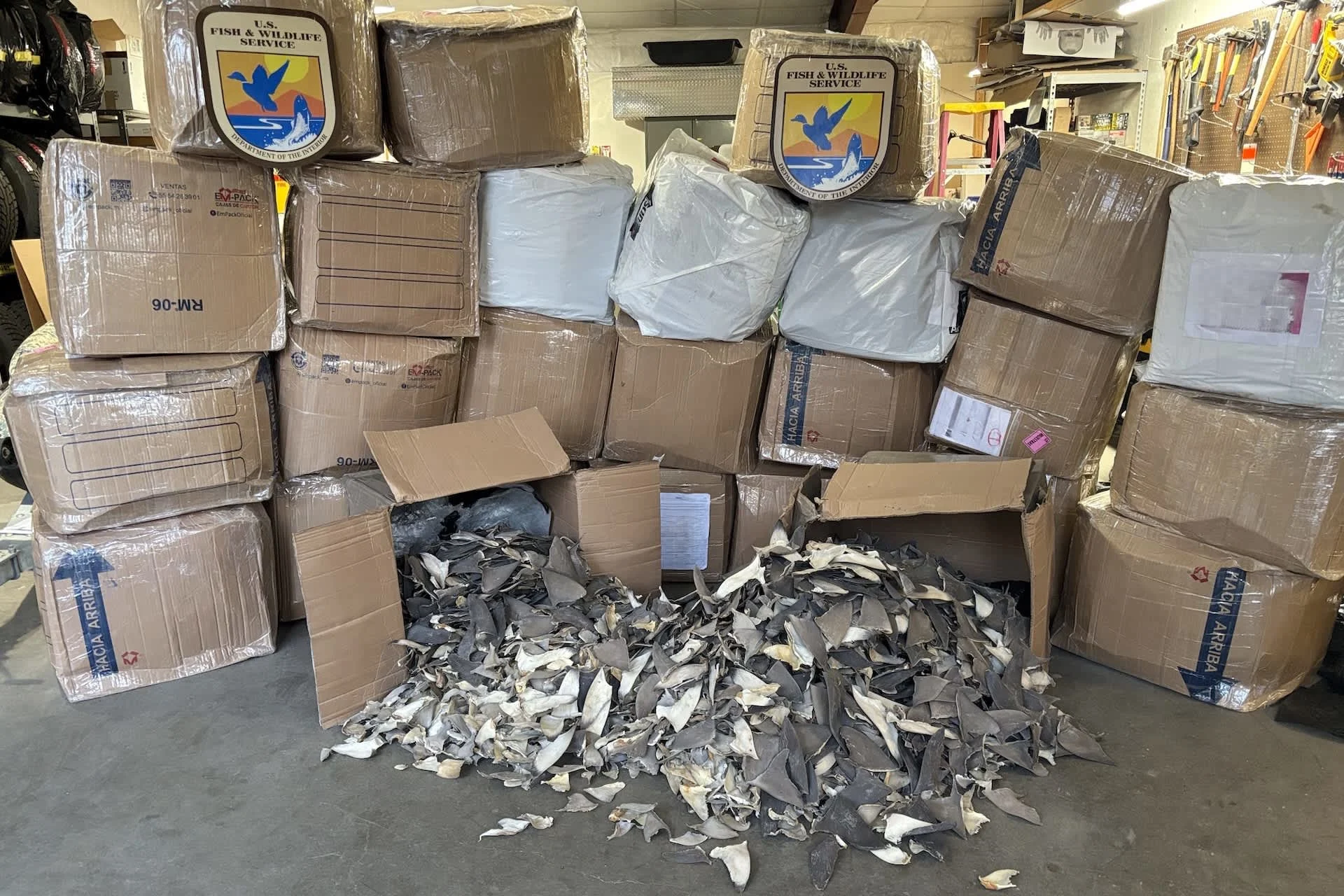
What looked like routine cargo moving through U.S. ports turned into something else entirely once inspectors took a closer look. Shipments labeled as car parts, the kind that move through logistics channels every day without much attention, were hiding something worth over a million dollars. And not just a little of it. We’re talking about roughly 50,000 dried shark fins, weighing more than 1,600 pounds, packed into 20 separate shipments.
It Started With One Inspection in Anchorage
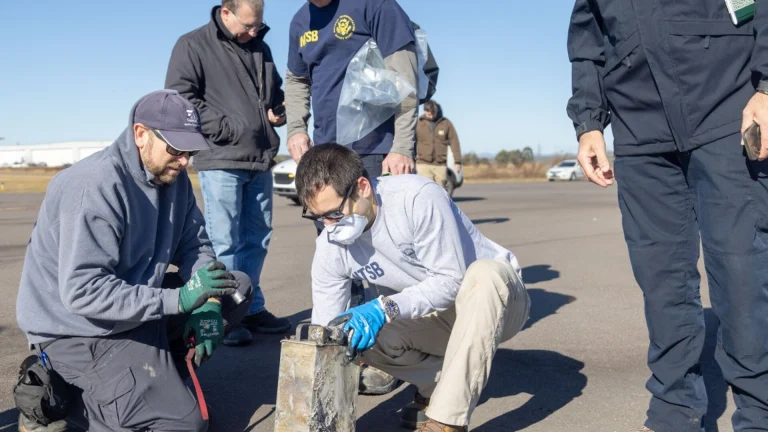
At first, it didn’t look like much. Just another load coming through, tagged as vehicle-related components. But something didn’t add up, and that initial inspection cracked the whole thing open. From there, the investigation didn’t stay contained. It moved fast, expanding to other major shipping hubs, including Louisville and Cincinnati. Each stop revealed more of the same: boxes labeled as harmless automotive goods, hiding something completely different inside. And it kept stacking up.
A Trafficking Route From Mexico to Hong Kong
By the time officials had gone through all 20 shipments, the scale was hard to ignore. Thousands of shark fins, dried and packaged for transport, all moving through a system designed for something else entirely. The total value pushed past $1 million, which tells you this wasn’t some low-level side hustle. It was organized.
Here’s the part that matters. The shipments weren’t just random. Investigators say they were tied to a trafficking network moving product from Mexico to Hong Kong. That’s a long route, and it doesn’t happen without knowing how to hide in plain sight.
Why “Car Parts” Made the Perfect Cover
Think about how many shipments labeled “car parts” move through ports in a single week. It’s a flood. No one has the time or resources to tear open every box. That’s the gap, and someone found it. The Anchorage discovery set the tone. Once inspectors knew what they were looking for, the rest started to fall into place. Louisville and Cincinnati weren’t random stops either. They’re major logistics centers, built for moving freight quickly and efficiently, which is exactly why they were part of the route.
Here’s where the stakes expand beyond just one bust. If shipments like this can move through multiple U.S. ports disguised as automotive parts, it raises a bigger question about how often this kind of tactic is being used, not just for wildlife trafficking, but for anything that benefits from staying hidden. Because once a method works, it gets repeated.
The Automotive Industry Isn’t the Problem, It’s the Cover
To be clear, the automotive world isn’t the problem here. If anything, it’s being taken advantage of. Car parts are essential. They keep vehicles running, businesses operating, and supply chains moving. But that same reliability creates an opening for people looking to move something they shouldn’t. And they took it.
There’s also a financial angle that can’t be ignored. Over $1 million in value tied up in dried fins isn’t small. That kind of money means there’s demand on the other end, and enough of it to justify the risk of moving illegal goods across international borders. It also means the people behind it were willing to gamble on slipping through a system built on trust and volume.
How One Catch Unraveled the Whole Network
Federal inspectors caught this one, and they caught it across multiple shipments, which matters. It shows the system can still work when someone pays attention and follows through. But it also shows how easily something like this can be tucked inside everyday commerce. No flashy disguises. No complicated tech. Just a label that says “car parts” and a route that doesn’t raise eyebrows. That’s all it took.
In the end, this wasn’t just a seizure of illegal goods. It was a reminder of how critical attention to detail still is, even in industries built on speed and volume. One inspection in Anchorage led to a chain reaction that shut down a much larger operation. And without that first catch, those shipments likely would’ve kept moving, untouched, all the way to their destination. That’s the hard truth.
About the Author